Yeshiva
Beit Midrash
- Sections
- Chemdat Yamim
- Parashat Hashavua
- Torah Portion and Tanach
- D'varim
- Va'etchanan

In both prophecies, Yeshaya talks about the service of sacrifices. In the haftara of Chazon, he complains that Hashem has no interest in the many sacrifices the people would bring. Since the sacrifices were not accompanied by a sincere effort to improve fear of Heaven and performance of their civil responsibilities, they were to be viewed as an unwanted abomination (Yeshaya 1:11-13). In the haftara of Nachamu, a different issue is raised regarding the value of Bnei Yisrael’s sacrifices. The p’sukim (ibid. 40: 12-16) describe how vast Hashem, Creator of the entire universe, is. Therefore, there are not enough animals or enough wood with which to bring the sacrifices in a manner that would be appropriate. Why did the issue change from the sacrifices being unwanted to there not being enough of them?
Yeshaya began his ‘career’ as a prophet at the time of King Uziyah. The Beit Hamikdash in Yerushalayim served as a center for the service of Hashem. Delegations from the whole world came to observe Uziyah’s greatness, and they were proudly shown the Temple’s courtyards. The problem is that this went to their heads, and the blessings Hashem bestowed upon the people brought them to haughtiness and abuses in the handling of their social affairs. Sinners wanted to use sacrifices as a way to quiet their consciences. In response the prophet told them that Hashem is not interested in such sacrifices, which are part of a misguided approach to service of Hashem. Thus, whatever they brought was too much.
The latter prophecy was said in the time of Uziyah’s great, great-grandson, Menashe. At that time, the Assyrians had captured the Land, and the Northern Tribes had been exiled. Menashe effectively relinquished his independence and gave in to the Assyrians in both political and religious terms. Menashe raised taxes, closed the Beit Hamikdash as a center of service of Hashem, and encouraged idol worship. The Assyrians were an unprecedented powerful force, and it did not seem that there was a chance of a Jewish Kingdom or for belief in and service of Hashem. In that context, Yeshaya consoled them. Hashem is infinitely greater than any nation, and it is not crucial to be able to bring sacrifices. After all, Hashem is far beyond needing them, and, anyway, there are not enough animals to do justice. There was and is no reason for despair. The time of redemption will come, after Yerushalayim has paid for its sins, and the glory of Hashem will once again fill the world.







Rabbis in Midrash























Lessons
fast navigation






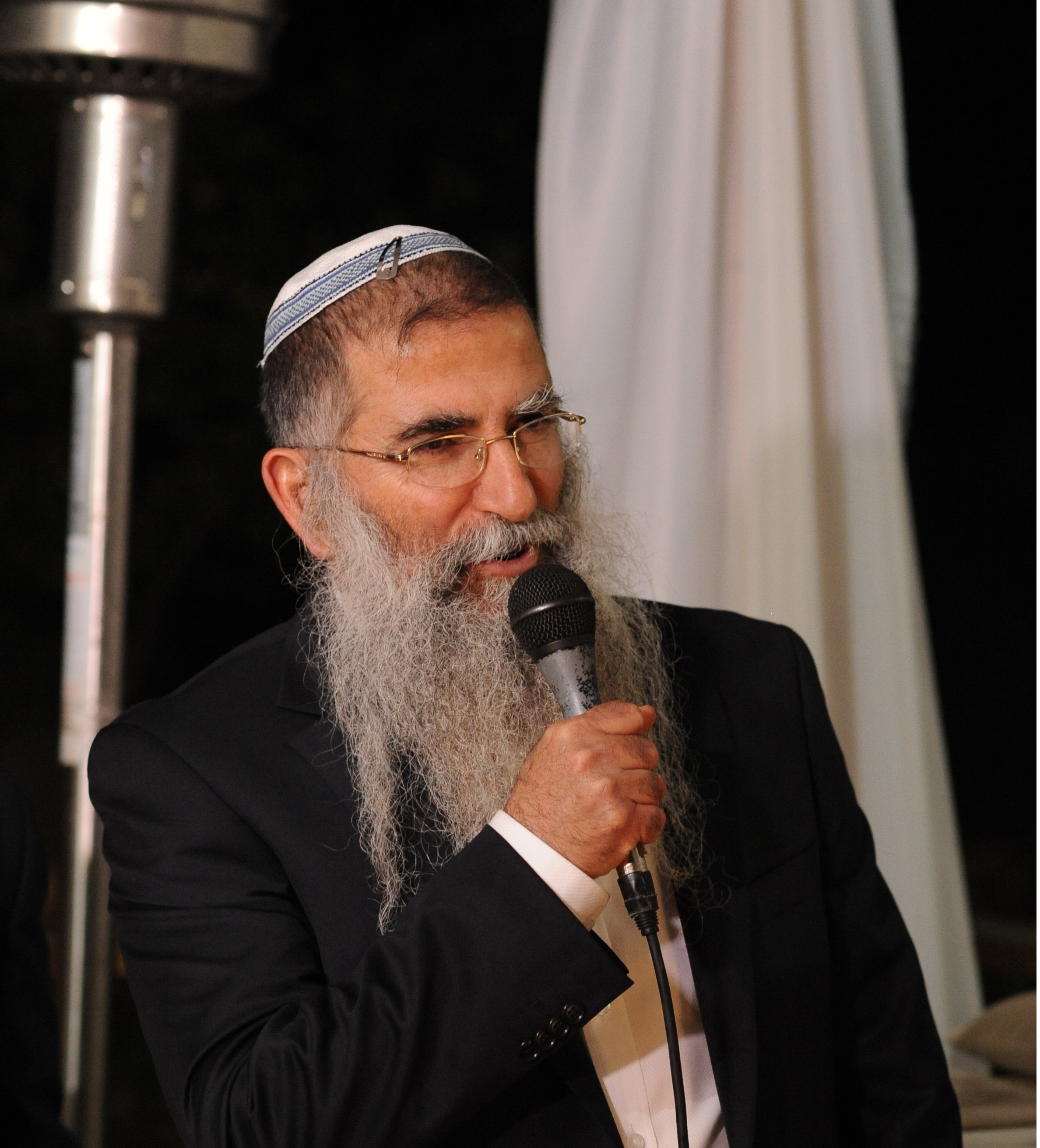




Hosha'ana Rabba FLYDUBAI & HOSHANA RABBA- ANI VAHU HOSHIA NA- I & HIM SAVE US
"Ani vaHu Hoshia Na", "I and Him, Save Us". We don't just pray to Him, but we also pray to and for ourselves that we should emulate and educate our children to have that instinctive altruism with which He created the world. President Trump seemed amused about Yaniv Hayon, our PLUMBER who confidently worked with G-d like Superman (he learned from a pilot on a TV show!) to save 174 lives on the Dubai hijacking, but we in Israel are totally accustomed already 78 years to our plumbers, teachers, garbage-men, rabbis, farmers & doctors being Hashem's shlichim! This is what Zionism is about.











