Yeshiva
Beit Midrash
- Torah Portion and Tanach
- Vayikra
- Shmini

The eighth day after the beginning of the holiday of Pesach in Israel is the day when we return to our ordinary lives and tasks and many times that is a moment of at least temporary depression. And here in the parsha the eighth day is transformed from the day of joy and supreme attainment to one of tragedy and silence.
The eighth day is a difficult day. But the main lesson here is that life is in reality a series of ‘eighth days.’ The eighth day is unpredictable, it can bring pain and sadness but it can also be inspiring and joyful, productive and worthy. So the eighth day syndrome has become a metaphor for life in general and certainly for Jewish life particularly.
Because of the potential problems and difficulties that the eighth day may bring, the Torah begins the parsha with the word "vayehi" which is not necessarily an expression of happiness. Here it will refer to the untimely deaths of the two sons of Aharon. But in general it serves as a warning to humans to view life cautiously and realistically. The Torah always teaches us to drive defensively in all areas of living. Aharon’s reaction to the tragedy that has befallen him is noteworthy. The Torah emphasizes that he keep silent. Many times events occur in human lives that are so shocking, sudden and overwhelming that humans are left speechless. Silence then is really a reflex reaction. But here the Torah records Aharon’s silence as an act of bravery, restraint and holiness and not as a reflex reaction to the destruction of half of his family.
It indicates that Aharon had plenty he could have said and could have taken Heaven to task, so to speak, but instead he himself chose to remain silent. The Talmud in many instances advocates the supremacy of silence over complaint, in fact over unnecessary speech generally. There is much to complain about from our human viewpoint of life and its events. Heaven states that the fact that we are alive and functioning should be sufficient to stifle any complaints.
This hard judgment is also one of the primary lessons of the eighth day. Aharon’s unspoken heartbroken complaint and his unanswered, in fact unasked, question hang in the air of Jewish history – mysterious and unfathomable. This also is true of all eighth day challenges that face us - the righteous and faithful shoulder on.
The great Rebbe of Kotzk said famously: "For the believer there are no questions; for the non-believer there are no answers." We are all eighth day Jews. Let us also shoulder on to build the Jewish people in strength, compassion and belief.
Shabat shalom.
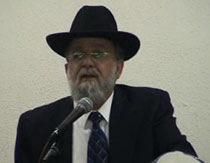
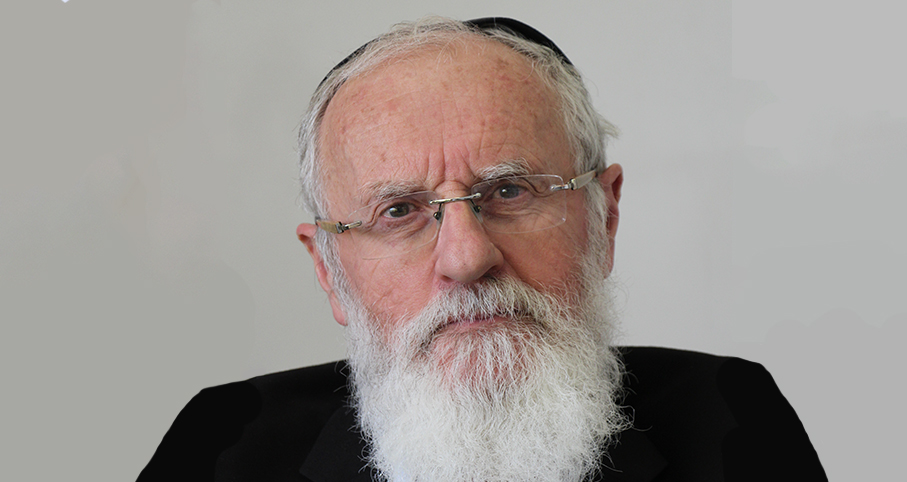
Rabbi Berel Wein




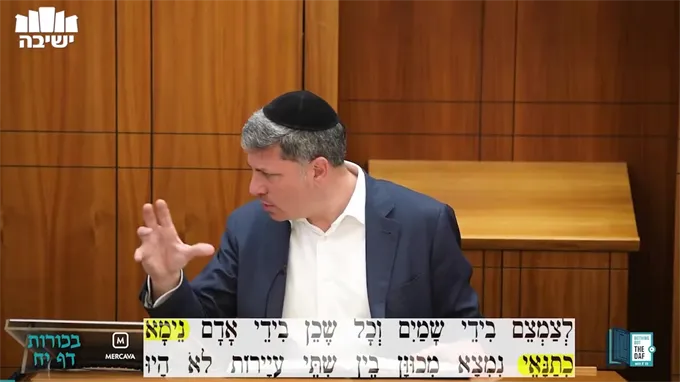
Rabbis in Midrash












Lessons
fast navigation



Hosha'ana Rabba FLYDUBAI & HOSHANA RABBA- ANI VAHU HOSHIA NA- I & HIM SAVE US
"Ani vaHu Hoshia Na", "I and Him, Save Us". We don't just pray to Him, but we also pray to and for ourselves that we should emulate and educate our children to have that instinctive altruism with which He created the world. President Trump seemed amused about Yaniv Hayon, our PLUMBER who confidently worked with G-d like Superman (he learned from a pilot on a TV show!) to save 174 lives on the Dubai hijacking, but we in Israel are totally accustomed already 78 years to our plumbers, teachers, garbage-men, rabbis, farmers & doctors being Hashem's shlichim! This is what Zionism is about.