Yeshiva
Beit Midrash
- Torah Portion and Tanach
- D'varim
- D'varim

Personal opinion and passion are key to the service of God according to Jewish tradition. Judaism does not condone "holy rollers" in its midst but the entire idea of the necessity of kavanah/intense intent in prayer and the performance of mitzvoth speaks to a personal view of the relationship to God and Torah and a necessary passion and viewpoint. Everyone is different and therefore everyone’s view of events also is different one from another. Thus everyone’s service of God and Torah, albeit within the parameters of established and recognized halacha, must contain nuances of personal difference. The importance of the Torah emphasizing to us that the book of Dvarim is Moshe’s personal record of events is to stress to us this recognition of individuality that exists within every human being and how that affects one’s view of everything, spiritual and physica, in life. Moshe’s recorded personal anguish at witnessing the sins of Israel in the desert is a greater indictment of those sins than just the description and listing of the sins themselves would have been. Life is personal, never objective. Moshe’s personal view of the events of the desert makes these events real and tangible to us. We are also involved in the narrative because of our empathy with Moshe. This is what makes the entire book of Dvarim so real and important to us. People speak to people. Moshe speaks to us.
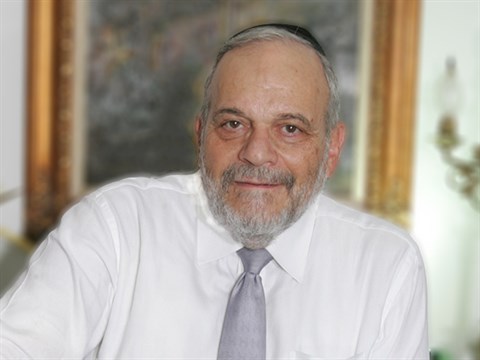
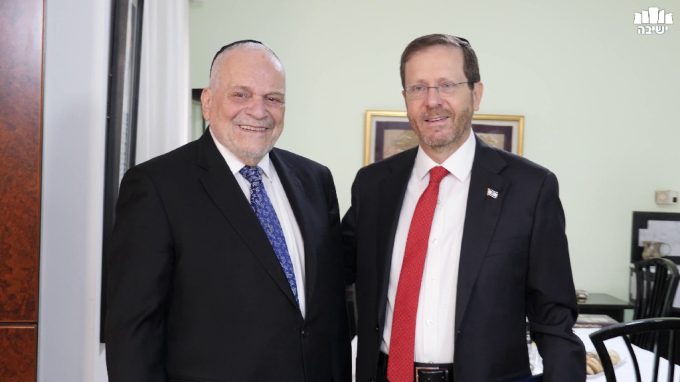








Rabbis in Midrash























Lessons
fast navigation











Hosha'ana Rabba FLYDUBAI & HOSHANA RABBA- ANI VAHU HOSHIA NA- I & HIM SAVE US
"Ani vaHu Hoshia Na", "I and Him, Save Us". We don't just pray to Him, but we also pray to and for ourselves that we should emulate and educate our children to have that instinctive altruism with which He created the world. President Trump seemed amused about Yaniv Hayon, our PLUMBER who confidently worked with G-d like Superman (he learned from a pilot on a TV show!) to save 174 lives on the Dubai hijacking, but we in Israel are totally accustomed already 78 years to our plumbers, teachers, garbage-men, rabbis, farmers & doctors being Hashem's shlichim! This is what Zionism is about.











