- Beit Midrash
- Torah Portion and Tanach
- Torah Portion
- The Four Parshiyot
Zachor
articles on Zachor

The Four Parshiot and their Significance
The parallel and connection between the four Parshiot, the four cups of the Seder, and the four expressions of redemption.

How many times should we repeat Zachor?
My shul has always read Parashat Zachor once. Some people now complain that we do not follow other shuls and read multiple times. Should we change our minhag?

Parshat Zachor
What does one who cannot come to the synagogue do? Are women obligated to hear Zachor?

Wipe out Amalek
The mitzvah to remember the evil deeds of Amalek is to recall that we have an obligation to blot out the memory of Amalek.
Lessons on Zachor

SWEET DOESN'T MEAN PUSHOVER- Parshat Zachor
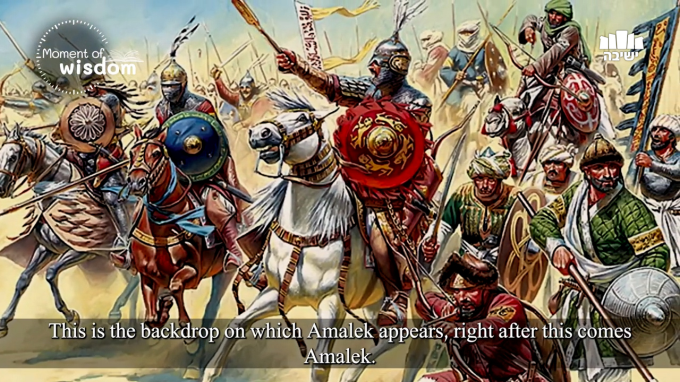
The ingenious & rational Rambam (hil. M'lachim 5, 5) adds several surprising words in defining the Torah mitzva to remember what Amalek did to us: "to constantly (!) remember their evil deeds and their ambush of Israel TO AROUSE OUR HATRED of them". We usually relate to hatred as something we are meant to overcome, and surely not "arouse", and definitely not "constantly"! Anyway you look at it, it's been 2500 years since there was a practical mitzvah to fight the Amalek children, so why must we constantly (?) "remember"? This short article analyzes the Jewish mistake which Hamas has recently helped us understand.

Parashat Zachor with Different Pronunciations
My shul has always read Parashat Zachor once, with our regular havara (pronunciation). Some people now complain that we do not follow other shuls and read multiple times with different havarot to fulfill the mitzva according to more opinions and to do the mitzva properly for Sephardim. Should we change our minhag?



Lessons
fast navigation










Hosha'ana Rabba FLYDUBAI & HOSHANA RABBA- ANI VAHU HOSHIA NA- I & HIM SAVE US
"Ani vaHu Hoshia Na", "I and Him, Save Us". We don't just pray to Him, but we also pray to and for ourselves that we should emulate and educate our children to have that instinctive altruism with which He created the world. President Trump seemed amused about Yaniv Hayon, our PLUMBER who confidently worked with G-d like Superman (he learned from a pilot on a TV show!) to save 174 lives on the Dubai hijacking, but we in Israel are totally accustomed already 78 years to our plumbers, teachers, garbage-men, rabbis, farmers & doctors being Hashem's shlichim! This is what Zionism is about.
















Rabbis on Zachor