Yeshiva
Beit Midrash
- Torah Portion and Tanach
- Bamidbar
- Naso

Also, try staying away from long "breaks" in between relationships, for they often waste time, and timing here is of the essence (especially for women & their "biological clock"). It's important to shorten your long list of expectations & "necessary pre-conditions" as much as possible, for this isn't "Amazon", and the right guy for you inevitably doesn't have "everything" and isn't perfect, just as you are not. Shlomo HaMelech advises that "finding favor in someone's eyes" is often surprising & unexpected (see Kohelet 9, 11). Just look for basic compatibility (e.g. similar ideals, making Aliya…) and mutual fondness, but every experienced couple will tell you that anyway, the real relationship is "built" davka AFTER the marriage, with hard work and conscious efforts of constant giving.
Similarly, it's definitely an advantage if his parents have a good marriage & you both come from similar backgrounds. I may add that altruism, caring and loyalty are important characteristics for building a good marriage, and those aren't just traits to look for in others, but also attributes to consciously acquire yourself & show him/her that you possess.
I'll just add that in addition to the importance of praying to Hashem for help, this week's parsha teaches us not a "Segula", but something that Hashem promises can literally help the singles! Kohanim can help here, for the 2nd of their 3 brachot finishes "ויחוניך", "and you shall find favor in the eyes of others". Kohanim should definitely have this meaning in mind, as Hashem tells them (Bamidbar 6, 23-27): "כה תברכו את בני ישראל... ואני אברכם", "so shall you bless Bnei Yisrael, and [G-d] will bless them". Obviously the singles should show up to shul as often as possible (in Israel every day, and abroad, on Festivals) in order to daven, as well as to receive this G-dly bracha! Shabbat Shalom & B'Sha'ah Tova!! Rav Ari Shvat (Chwat)
Rabbi Ari Shvat
Lectures at various yeshivot, michlalot and midrashot. Has published many books & Torani articles and is in charge of Rav Kook’s archives.
Ein Aya Complete G-dliness Doesn't Weaken But Enhances Natural Drives
Ein Aya Shabat Chapter B Paragraph 50


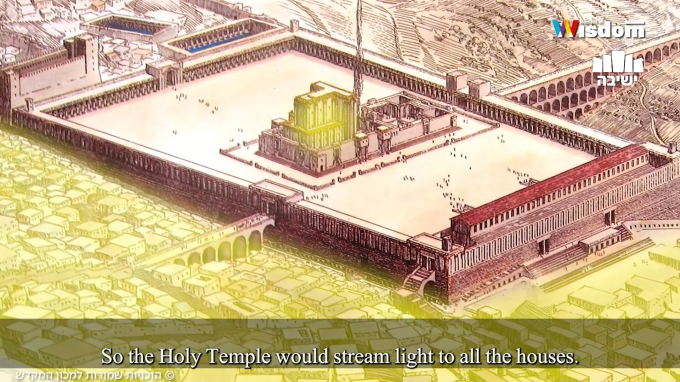




Rabbis in Midrash























Lessons
fast navigation









Hosha'ana Rabba FLYDUBAI & HOSHANA RABBA- ANI VAHU HOSHIA NA- I & HIM SAVE US
"Ani vaHu Hoshia Na", "I and Him, Save Us". We don't just pray to Him, but we also pray to and for ourselves that we should emulate and educate our children to have that instinctive altruism with which He created the world. President Trump seemed amused about Yaniv Hayon, our PLUMBER who confidently worked with G-d like Superman (he learned from a pilot on a TV show!) to save 174 lives on the Dubai hijacking, but we in Israel are totally accustomed already 78 years to our plumbers, teachers, garbage-men, rabbis, farmers & doctors being Hashem's shlichim! This is what Zionism is about.











