Yeshiva
Beit Midrash
- Torah Portion and Tanach
- Bamidbar
- Bamidbar

I think that the messenger here is itself the message. By that I mean that the Torah wishes to express its relationship to the Jewish people simply by dwelling on an "unnecessary" lengthy detailed counting of its numbers. For those with whom we have a loving relationship, there are no unnecessary or superfluous acts or gestures. The rabbis compare this type of relationship, in a wry way, to one counting one’s money.
For instance, the criterion for the speed and intensity of reciting the words of prayer is the rate of speed that one would use in counting valuable coins. The care in counting is itself the expression of the underlying attachment to what is being counted. I always note that people leaving the ATM cash dispenser invariably check the bills that they have received. This is not only an act of prudence; it is an act of affection and importance. So the count of the Jews in the parsha, even in its detail and length, is logical and makes perfect sense.
Another understanding of this issue can be found in the description of the counters themselves and not only in the description of the counted ones. Moshe, Aharon, Elazar and Itamar are the leaders of the Jewish people. They are responsible for the physical and spiritual welfare of the Jewish people in its totality. Part of their task is to somehow know all of their millions of constituents – to have some sort of relationship and affinity to each individual Jew.
The leaders of Israel always saw themselves as being parents of all Jews. Some Jews crave affection and others need very tough love. The enormous diversity – twelve different tribes that are counted separately before being united in one total number of the whole people – of the Jewish people, is emphasized by the sheer individual counting of them.
The responsibility for the fate of the Jewish people is a heavy burden for leaders to bear. But it is an unavoidable one that automatically comes with the posts of leadership. And the counters of the Jewish people are themselves the leaders of the people, aware at all times that the people rely upon their leadership and wisdom. And they must also be aware that each of those counted are somehow to be accommodated in their needs and development.
So counting the Jewish people are not empty numbers to the leaders of Israel, but rather the list of challenges and opportunities presented before them. May both the counters and the counted of Israel in our day be great in numbers, spirit and accomplishments.
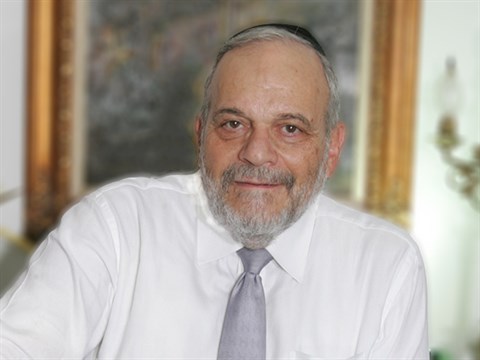







Rabbis in Midrash























Lessons
fast navigation










Hosha'ana Rabba FLYDUBAI & HOSHANA RABBA- ANI VAHU HOSHIA NA- I & HIM SAVE US
"Ani vaHu Hoshia Na", "I and Him, Save Us". We don't just pray to Him, but we also pray to and for ourselves that we should emulate and educate our children to have that instinctive altruism with which He created the world. President Trump seemed amused about Yaniv Hayon, our PLUMBER who confidently worked with G-d like Superman (he learned from a pilot on a TV show!) to save 174 lives on the Dubai hijacking, but we in Israel are totally accustomed already 78 years to our plumbers, teachers, garbage-men, rabbis, farmers & doctors being Hashem's shlichim! This is what Zionism is about.












