Yeshiva
Beit Midrash
- Family and Society
- The Nation of Israel
- The Value of the Nation of Israel

Translated by Hillel Fendel
It is one of the principles of our faith that we must know and believe that the Nation of Israel is a nation of segula, a treasured people of a special nature. Another article of faith is that we must know that Israel is separate from others, different in its essence from all other peoples on the face of the earth.
What is this difference? It is not just that we have different philosophies, and different beliefs, and not even simply that we have the Torah and the others do not. It is rather our nature, our very existence, the Divine nature imbued that is within us, and the Divine soul imbued in Israel. This nature is immutable; it is implanted in our very essence. We can never leave it, nor change it, nor can any other nation acquire it. This reality is not dependent upon man's choice or decision; an Israelite always remains an Israelite. As the Sages teach: "A Jew, even if he sins, remains a Jew."
I know that these ideas arouse sharp opposition among those who do not believe in the Torah of Israel. But this does not mean that there is any way to hide or deny this recognition, which is shared by all people of faith. Whoever accepts the Torah of Israel knows, too, that Israel is the special, treasured nation, the am segula. This is a theme that runs throughout the Torah nearly from the beginning to end.
We read in Parashat Lekh Lekha: "G-d told Avram, go ye from your land and birthplace… to the land that I will show you." This is the first time that G-d spoke to Avraham; nowhere do we read us beforehand that Avraham was a righteous person or had great fear of G-d, as the Torah actually does regarding Noah: "Noah was a righteous man, pure in his generations" - seemingly an explanation for G-d's choosing him to build the Ark and thus save himself and his family. But no such explanation is offered for Avraham – and this teaches us that G-d's choice of him was not based on his deeds; it was rather a Divine selection, independent of his righteousness. It follows, therefore, that even if his deeds or righteousness would change, the Divine choice will always remain the same. This is as we say in the Blessings for Torah Study: "[G-d] chose us from among all the nations and gave us His Torah" – that is, He did not first give us the Torah, wait to see if we accept it, and then choose us as a result. Rather, as we say in our prayers: "You chose us from among all the nations, You loved us and desired us."
Certainly there is a connection between the unique segula of G-d's choice in Israel and our observance of the Torah. We know that we may not suffice with His having unconditionally selected us. We must observe the Torah and its mitzvot as perfectly as possible; this is obvious and clear. But it is necessary to emphasize that Israel, by nature and in soul, is a nation of segula. Our virtue is twofold, both in our nature and in the fact that we received the Torah. These are two connected and united virtues; "Israel and the Torah are one."
This also answers this question: Why did G-d, Who created the entire world and all of humanity, give the Torah only to Israel and not to all of mankind? Why, too, does G-d not call upon the entire world to follow the Torah and observe its mitzvot, given that everyone is His creation?
The answer is: Israel is different than everyone else. That that which is appropriate for Israel, is not appropriate for the other nations. The Divine Torah is suitable for the Divine nation, period.
This fundamental principle then arouses other questions: What, according to the Torah, is the function and mission of the Gentiles? What is the proper relationship between Israel and the other peoples? These and others are important questions that bother many Jews and must be answered. But this does not change the essential truth that is accepted by all men of faith in Israel: We are the am segula, period – and there will be further opportunities, with G-d's help, to address the questions that arise from this concept.
It is one of the principles of our faith that we must know and believe that the Nation of Israel is a nation of segula, a treasured people of a special nature. Another article of faith is that we must know that Israel is separate from others, different in its essence from all other peoples on the face of the earth.
What is this difference? It is not just that we have different philosophies, and different beliefs, and not even simply that we have the Torah and the others do not. It is rather our nature, our very existence, the Divine nature imbued that is within us, and the Divine soul imbued in Israel. This nature is immutable; it is implanted in our very essence. We can never leave it, nor change it, nor can any other nation acquire it. This reality is not dependent upon man's choice or decision; an Israelite always remains an Israelite. As the Sages teach: "A Jew, even if he sins, remains a Jew."
I know that these ideas arouse sharp opposition among those who do not believe in the Torah of Israel. But this does not mean that there is any way to hide or deny this recognition, which is shared by all people of faith. Whoever accepts the Torah of Israel knows, too, that Israel is the special, treasured nation, the am segula. This is a theme that runs throughout the Torah nearly from the beginning to end.
We read in Parashat Lekh Lekha: "G-d told Avram, go ye from your land and birthplace… to the land that I will show you." This is the first time that G-d spoke to Avraham; nowhere do we read us beforehand that Avraham was a righteous person or had great fear of G-d, as the Torah actually does regarding Noah: "Noah was a righteous man, pure in his generations" - seemingly an explanation for G-d's choosing him to build the Ark and thus save himself and his family. But no such explanation is offered for Avraham – and this teaches us that G-d's choice of him was not based on his deeds; it was rather a Divine selection, independent of his righteousness. It follows, therefore, that even if his deeds or righteousness would change, the Divine choice will always remain the same. This is as we say in the Blessings for Torah Study: "[G-d] chose us from among all the nations and gave us His Torah" – that is, He did not first give us the Torah, wait to see if we accept it, and then choose us as a result. Rather, as we say in our prayers: "You chose us from among all the nations, You loved us and desired us."
Certainly there is a connection between the unique segula of G-d's choice in Israel and our observance of the Torah. We know that we may not suffice with His having unconditionally selected us. We must observe the Torah and its mitzvot as perfectly as possible; this is obvious and clear. But it is necessary to emphasize that Israel, by nature and in soul, is a nation of segula. Our virtue is twofold, both in our nature and in the fact that we received the Torah. These are two connected and united virtues; "Israel and the Torah are one."
This also answers this question: Why did G-d, Who created the entire world and all of humanity, give the Torah only to Israel and not to all of mankind? Why, too, does G-d not call upon the entire world to follow the Torah and observe its mitzvot, given that everyone is His creation?
The answer is: Israel is different than everyone else. That that which is appropriate for Israel, is not appropriate for the other nations. The Divine Torah is suitable for the Divine nation, period.
This fundamental principle then arouses other questions: What, according to the Torah, is the function and mission of the Gentiles? What is the proper relationship between Israel and the other peoples? These and others are important questions that bother many Jews and must be answered. But this does not change the essential truth that is accepted by all men of faith in Israel: We are the am segula, period – and there will be further opportunities, with G-d's help, to address the questions that arise from this concept.
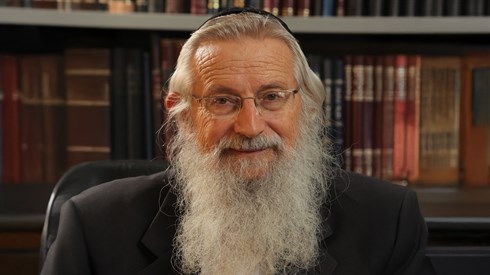





Rabbis in Midrash























Lessons
fast navigation










Various Events FOR WHOM NOT TO VOTE
Rav Zvi Yehuda Kook stressed that Israeli politics is G-dly, so I have no problem answering this common question on a Torani blog. Also, Free-Will is a G-d-given right and obligation, to "destine one's fate" (R. Soloveichik, Kol Dodi Dofek, 67), so I obviously don't tell others how to vote. But once not a few (especially young) have already asked, a couple of personal words from experience and thoughts from chazal & Rav Kook which may be of help to others, mainly for whom NOT to vote.

P'ninat Mishpat Fallout from Failure to Install Elevator – part II
based on ruling 85007 of the Eretz Hemdah-Gazit Rabbinical Courts







