Beit Midrash
- Sections
- Chemdat Yamim
- Bemare Habazak - Rabbis Questions
- Jewish Laws and Thoughts
- Middot - Character Traits
- Honesty

Answer: The broadest of the Torah prohibitions against lying (even without language of oaths) is "mid’var sheker tirchak" (distance yourself from a matter of falsehood) (Shemot 23:7). Philosophically, we abhor dishonesty. We are to emulate Hashem, about Whom it is said: "Hashem’s signet is truth" (Sanhedrin 64a).
Bemare Habazak - Rabbis Questions (636)
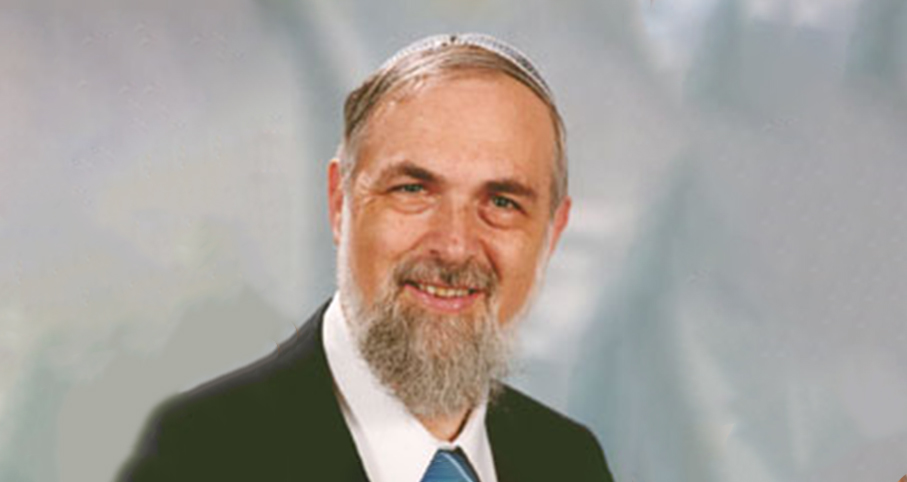
Rabbi Daniel Mann
355 - Sitting Next to Someone Who Is Davening on the Bus
356 - Lying to Avoid Embarrassment
357 - Reheating Liquids on Shabbat
Load More
In all of these cases, the untruth was said to protect someone else, unlike in your question. However, the above sources include cases of self-protection. The first gemara also gives the example of Yosef’s brothers trying to ward off his enmity with a lie. Another example in Bava Metzia is lying about what one is learning/has learned. Rashi explains it as minimizing one’s scholarship out of humility; the Lechem Mishneh’s understands the Rambam (Aveida 14:13) as avoiding people testing him on a weak topic to avoid embarrassment. This last source is equivalent to your question. But even Rashi’s case makes us think why one can do an ostensible aveira for humility’s sake!
The simplest answer is that the prohibition of lying refers to different types of cases. The pasuk’s context is beit din proceedings, in which the pursuit of truth is at a premium. The Yereim (mitzva 235), while extending the mitzva somewhat, limits it to lies which harm someone. This matter seems to depend on the machloket between Beit Shammai and Beit Hillel (Ketubot 17a). Beit Hillel encourages singing the praises of a bride, even when they are untrue. Beit Shammai argues that this violates "midevar sheker tirchak." Beit Hillel makes a moral argument based on concern for the feelings of others, but, how does that sentiment dispose of Beit Shammai’s pasuk? Apparently, the argument is whether the Yereim is correct, and we pasken like Beit Hillel (see Rav Perlow on Rasag’s Sefer Hamitzvot, Aseh 22). The other possibility is that even if lying about something innocuous is forbidden from the Torah, Chazal understood, perhaps based on the precedents in Tanach, that in the case of important counter-factors, it is waived.
We have dealt (Living the Halachic Process V, H-2) with poskim’s permission to stage a fake pidyon haben if needed to save a couple from embarrassment about the wife previous pregnancy. K’vod haberiyot (human dignity) justifies significant halachic leniency (Berachot 19b), which far exceed some of the factors that, we have seen, justify lying.
Do note that regarding k’vod haberiyot, the degree of breach of human dignity helps determine the level of leniency (Tosafot, Shvuot 30b), so that there is no blanket permission. Furthermore, even when speaking untruthfully is permitted, it is noble to raise one’s level of honesty to the point that he lies or even distorts (as Yaakov did to receive Yitzchak’s blessings) only when it is clearly morally called for. Sometimes, a little embarrassment from answering a tactless question honestly is not so bad, and sometimes the truth will actually teach the person a lesson. Sometimes the insult to the tactless person (some of whom may have problems) of refusing to answer itself compromises shalom. There are far too many circumstances and factors to address in a general presentation. However, the basic conclusion is that a "white lie" to protect one’s own dignity is often permitted, but, on the other hand, should be weighed carefully.
Rabbi Daniel Mann
Giving an Envelope on Shabbat to Use for Donations
5773
Davening Early on Shavuot
Iyar 26 5777
Washing Hands with Soap on Yom Kippur
Tishrei 4 5776
Standing for Parents in our Times
5775
Ask the Rabbi: Timing of Ma’aser Kesafim
Rabbi Daniel Mann | Sivan 5785
Ask the Rabbi: Using Replacement Mezuzot When They Are Being Checked?
Rabbi Daniel Mann | Av 5785
Ask the Rabbi: Late Payment?
Rabbi Daniel Mann | Shevat 5786