Yeshiva
Beit Midrash
- Torah Portion and Tanach
- Bereshit
- Vayeshev

The Torah study is dedicatedin the memory of
Jacob ben Bechora
This perhaps explains the reaction of the brothers to the favoritism exhibited by Yaakov towards Yosef. The brothers were apprehensive that the mission of Avraham, Yitzchak and Yaakov would again be entrusted to only an individual – only to one of them – and the other members of the family would again be historically discarded. And that chosen brother, judging by their father’s favoritism to him, would be Yosef. And they felt that Yosef was the incorrect choice for solely carrying on the heritage and mission that began with their grandfather Avraham. What they failed to grasp was that Yaakov and his family now marked the great transition from Judaism being the faith and belief of individuals to now being the religion that would be embodied in a people, a society, a national entity. And since no two individuals are alike in physical, mental, emotional and character makeup the people that would emanate from Yaakov and his family would be made up of diverse individuals and ideas. But the cement and glue that would bind them all together would be the vision and faith of Judaism that was their common heritage and would be their common destiny as well. It is much more difficult for a large group of people to retain a special identity and sense of mission than it is for an individual alone. The story of Yosef and the brothers that marks the concluding sections of the book of Bereshith is the supreme illustration of the challenge of molding individuals who are inherently different into a common and effective nation. This challenge still remains with us millennia later.
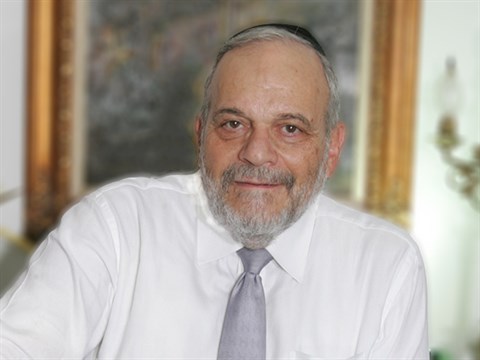





Rabbis in Midrash























Lessons
fast navigation










Various Events FOR WHOM NOT TO VOTE
Rav Zvi Yehuda Kook stressed that Israeli politics is G-dly, so I have no problem answering this common question on a Torani blog. Also, Free-Will is a G-d-given right and obligation, to "destine one's fate" (R. Soloveichik, Kol Dodi Dofek, 67), so I obviously don't tell others how to vote. But once not a few (especially young) have already asked, a couple of personal words from experience and thoughts from chazal & Rav Kook which may be of help to others, mainly for whom NOT to vote.

P'ninat Mishpat Fallout from Failure to Install Elevator – part II
based on ruling 85007 of the Eretz Hemdah-Gazit Rabbinical Courts










