Yeshiva
Beit Midrash
- Family and Society
- Articles on Current Events
- Various Events

In First and Second Temple times the government of Israel was purely personal and in a sense dictatorial. With the establishment of monarchy by King David, it became dynastic even though the natural squabbles about succession were always present. However in First Temple times all of the kings were subject to the influence if not sometimes even the control of prophets. Even the string of wicked kings who ruled over the northern ten tribes of Israel was subject to the withering criticism and powers of the prophets such as Elijah and Elisha. Prophets could be persecuted and punished but they could not be ignored. Thus the people found their voice through the prophet who represented God, so to speak, and tradition and destiny. Even when the people chose to ignore the words of the prophets it was their choice and the consequences of that choice were clearly predicted to them by the prophet. So in a sense there was a rudimentary sense of democracy present then. People voted not through the ballot box but rather by their behavior and life choices. And in effect this is always the basic democratic principle of life - people do what they wish to do. It is the task of government today to inform people of the consequences of their individual behavior much as the prophets of old did. The distortion of our political system is that it rewards those who knowingly give false promises and erroneous prognostications about their future plans, policies and what the true consequences of these behaviors and policies are.
In Second Temple times the Jews lived under the rule of the Men of the Great Assembly, a parliamentary body that was appointed but not popularly elected; the Hasmonean kings who ousted the Greek rule; and finally under Roman governors and domination. The counterforce to the rulers was the presence of the rabbinic scholars - the Tanaim, both early and late - who represented the populace and the traditions of Israel. Though they themselves were not prophets they served as the substitute for the earlier prophets of First Temple times in forming public opinion and opposing tyranny and wrongheaded policies. In the long exile of the Jewish people popular democracy, in the sense of the modern understanding of the words including elections existed. Though there always was a ruling upper class the masses had the ability to either vote them out of power - eighteenth and nineteenth century kehilla life in Europe - or by simply forming new movements such as Hasidism which circumvented the existing power structure. In early twentieth century Europe the Jewish society fragmented into many different political parties each vying with the other through popular elections for the leadership of the Jewish society. This system has been imported into our modern day country of Israel with its multiplicity of parties and its intense rivalries. But as we say here, this is what is, so let us hope for the best and be realistic and hopeful at one and the same time.
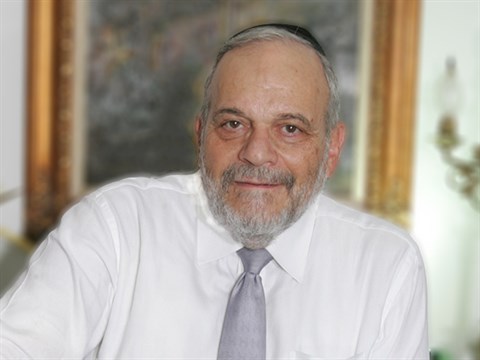




Rabbis in Midrash























Lessons
fast navigation










Various Events FOR WHOM NOT TO VOTE
Rav Zvi Yehuda Kook stressed that Israeli politics is G-dly, so I have no problem answering this common question on a Torani blog. Also, Free-Will is a G-d-given right and obligation, to "destine one's fate" (R. Soloveichik, Kol Dodi Dofek, 67), so I obviously don't tell others how to vote. But once not a few (especially young) have already asked, a couple of personal words from experience and thoughts from chazal & Rav Kook which may be of help to others, mainly for whom NOT to vote.

P'ninat Mishpat Fallout from Failure to Install Elevator – part II
based on ruling 85007 of the Eretz Hemdah-Gazit Rabbinical Courts









