Yeshiva
Beit Midrash
- Torah Portion and Tanach
- Bamidbar
- Korach

The Torah study is dedicatedto the full recovery of
Yehudah ben Hadasah Hinde Malkah
Rashi interprets the introductory phrase "af lo"as the antecedent of both clauses in the verse. Thus, according to Rashi, Datan and Aviram have two complaints: 1)You have not brought us to the land of milk and honey; 2)You have not given us an inheritance of fields and vineyards.
The Seforno has a fascinating approach to our question. He suggests that the verse be read according to our original interpretation, namely that Datan and Aviram are indeed upset about fields and vineyards that they did receive. To what fields and vineyards do they refer? According to the Seforno, Datan and Aviram said to Moshe as follows: Not only have you not brought us to the land of milk and honey, but you speak to us as if we have already arrived in Israel and received our portions. Here we are in the desert, the wilderness where nothing grows, yet you insist upon teaching us the laws of terumot and ma'asrot and the laws relating to the gifts that must be left in the field and in the vineyard for the poor. Moshe, you add insult to injury in that you have not delivered on your promise and yet you teach us laws that pertain only in the Land of Israel.
Datan and Aviram failed to comprehend that no matter where a Jew might be at a given moment, the possibility of settling in the Land of Israel is always a reality. "Next year in Jerusalem" is not only a hope but a decleration that we are ready to return to Israel and once again observe the shemita and other land related mitzvot to their fullest.

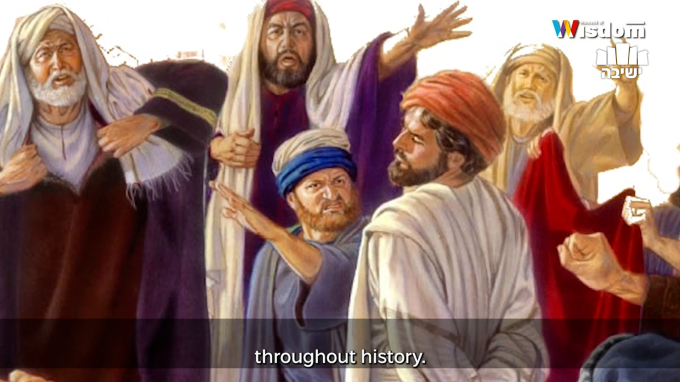





Rabbis in Midrash























Lessons
fast navigation











Hosha'ana Rabba FLYDUBAI & HOSHANA RABBA- ANI VAHU HOSHIA NA- I & HIM SAVE US
"Ani vaHu Hoshia Na", "I and Him, Save Us". We don't just pray to Him, but we also pray to and for ourselves that we should emulate and educate our children to have that instinctive altruism with which He created the world. President Trump seemed amused about Yaniv Hayon, our PLUMBER who confidently worked with G-d like Superman (he learned from a pilot on a TV show!) to save 174 lives on the Dubai hijacking, but we in Israel are totally accustomed already 78 years to our plumbers, teachers, garbage-men, rabbis, farmers & doctors being Hashem's shlichim! This is what Zionism is about.
Moreshet Shaul Hashem Is your Shadow – part I
Based on Siach Shaul, Pirkei Machshava V’Hadracha p. 420 – an address from 1941










