Yeshiva
Beit Midrash
- Jewish Laws and Thoughts
- Personality Development
- Pathways in Personality Development

a. pure intentions; a person's one intention must be to please the Almighty.
b. reflection; a person must duly examine his deeds and be sure that even their reverberations are desirable.
Pathways in Personality Development (52)
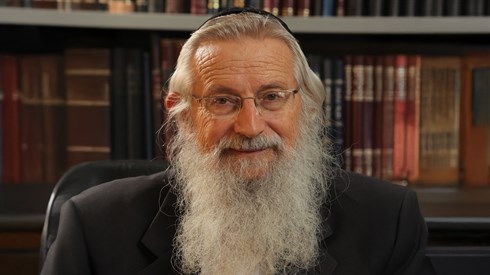
Rabbi Zalman Baruch Melamed
1 - 1. The Quality of "Zehirut" - that Man Contemplate His Actions
2 - 2. Introspection
3 - 3. "Zehirut"- Inhibiting and Contributing Factors
Load More
Sometimes a person must refrain from performing virtuous acts because they might lead to undesirable consequences. Sometimes piety calls for restraining oneself and keeping quiet. For example, the Torah commands, "You must rebuke your fellow Jew" (Leviticus 19:17). But if a person reprimands miscreants who are unwilling to accept criticism, not only will his words fall on deaf ears but they might even cause their subjects to intensify their malign behavior.
In such circumstances piety requires a person to remain silent rather than reprimand. Indeed, the sages teach, "Just as one is obligated to voice words which will be heeded, so is one obligated to refrain from voicing words which will not be heeded."
Let us consider another example of discretion in pious behavior. The sages teach that when a person has an opportunity to fulfill a Torah commandment, he should make haste to do so: "Run to perform Torah precepts."
However, such behavior can sometimes lead to a quarrel. This happens when a number of people contend for the same privilege. More often than not, such contention degrades the virtuous deed and desecrates the name of God. When this is the case, a pious person must certainly refrain from fulfilling the precept.
This is what the sages of the Midrash say regarding the Levites, who were responsible for transporting the desert sanctuary: The Kehothites knew that whoever carried the Holy Ark merited great spiritual reward. As a result, they would all run to bear the Ark, abandoning the Table, the Menorah, and the Altars. They consequently ended up quarreling, and because of their disrespectful behavior the Divine Presence struck them down.
We see, then, that piety sometimes implies restraint. This calls for careful consideration and proper intention.
A Jew must keep all of the commandments along with all of their details, even in the presence of others, and one must neither fear nor be ashamed. King David expressed this idea when he said "I shall also speak your testimonies before kings, and I will not be ashamed" (Psalms 119:46). The sages of the Mishnah likewise teach, "Be bold as a leopard to do the will of your Father who is in Heaven" (Avot 5:20).
Yet in this regard, too, a person must draw a distinction, for such behavior applies only to the commandments themselves, which are absolutely binding and must be staunchly upheld. However, when it comes to pious additions to the commandments, practices which are likely to cause ordinary people to laugh, and thus transgress, it is certainly more proper and pious to refrain, for these practices are not obligatory. This is reflected in the words of Micha the Prophet, "Walk humbly with your God" (Micha 6:8).
In sum, all actual commandments must be fulfilled even in the face of ridicule. However, any pious additions to the commandments which evoke laughter must be avoided when in the presence of those who do not understand. In such cases a person actually sanctifies God's name and pleases Him more through abstention than through action. All this must be weighed out carefully and wisely, and with pure intentions. When all this has been done, a person merits God's assistance in properly fine-tuning his deeds, as it is written, "He guides the feet of his pious ones" (First Samuel 2:9).





Rabbis in Midrash























Lessons
fast navigation









Hosha'ana Rabba FLYDUBAI & HOSHANA RABBA- ANI VAHU HOSHIA NA- I & HIM SAVE US
"Ani vaHu Hoshia Na", "I and Him, Save Us". We don't just pray to Him, but we also pray to and for ourselves that we should emulate and educate our children to have that instinctive altruism with which He created the world. President Trump seemed amused about Yaniv Hayon, our PLUMBER who confidently worked with G-d like Superman (he learned from a pilot on a TV show!) to save 174 lives on the Dubai hijacking, but we in Israel are totally accustomed already 78 years to our plumbers, teachers, garbage-men, rabbis, farmers & doctors being Hashem's shlichim! This is what Zionism is about.













