Yeshiva
Beit Midrash
- Torah Portion and Tanach
- Shmot
- Bo

The Torah study is dedicatedin the memory of
Refael ben Chana
Rashi cites two benefits of the darkness. One is that it allowed Bnei Yisrael to bury the wicked among them whom Hashem killed during this time. The other was that it enabled them to search through the Egyptian’s homes to see what they could later ask of them to take on their way out of Egypt. The Gur Aryeh explains that the two periods with different levels of darkness served different purposes. During the first days, the Egyptians were unable to see what was happening to the wicked in Israel. However, they could move and could protect their homes from Jewish trespassing. During the next three days of paralysis, Bnei Yisrael were free to even enter their homes. The two purposes also allow for different explanations of moshvotam. Regarding burying their dead, it was sufficient for Bnei Yisrael to function freely in Jewish quarters. Regarding entering Egyptian homes, they had to be able to have light in the same places that the Egyptians experienced darkness.
Who were these wicked people whom Hashem killed? How much more wicked could they have been than other Jews, in light of Chazal ¬statement that the nation as a whole was on the spiritual level of -49 out of a possible -50? Taking a closer look at Rashi, we notice that he doesn’t just say that they were wicked, but that they did not want to leave Egypt. Ohr Yechezkel (p. 228) explains that it was necessary to have a desire to be liberated and become something more than they were in order to merit redemption. Most Jews had that desire, despite individual spiritual shortcomings. Chazal tell us that Bnei Yisrael were redeemed in the merit of not changing their names, language, and clothes. In other words, from a national perspective, they felt a proud part of their oppressed nation ,
How harmful must they have been to prompt the Netziv to say that the "light for all of Bnei Yisrael" relates to the demise of the wicked Jews? Also, if a significant number of Jews died during this period, how can the Torah say there was light for all of Bnei Yisrael? Shemot Rabba (14:3) tells us that the wicked people were actually collaborators with the Egyptians who had become rich through their connections and actions. They, who had separated themselves from the nation, were not part of all of Bnei Yisrael, and Bnei Yisrael enjoyed light when they died.
This lesson reinforces that which Rav Kook taught us through his writings and his life. Even one who keeps very little religiously maintains a connection to Bnei Yisrael’s legacy if he sees himself as a part of the nation that awaits national redemption.
Various Rabbis
Various Rabbis including those of of Yeshivat Bet El, such as Rabbi Chaim Katz, Rabbi Binyamin Bamberger and Rabbi Yitzchak Greenblat and others.
Moreshet Shaul Moreshet Shaul: A Crown and its Scepter – part II
Based on Siach Shaul, Pirkei Machshava V’Hadracha p. 294-5
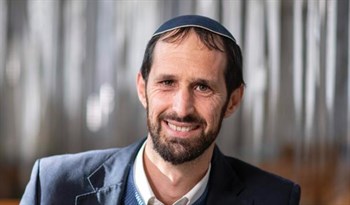






Rabbis in Midrash























Lessons
fast navigation











Hosha'ana Rabba FLYDUBAI & HOSHANA RABBA- ANI VAHU HOSHIA NA- I & HIM SAVE US
"Ani vaHu Hoshia Na", "I and Him, Save Us". We don't just pray to Him, but we also pray to and for ourselves that we should emulate and educate our children to have that instinctive altruism with which He created the world. President Trump seemed amused about Yaniv Hayon, our PLUMBER who confidently worked with G-d like Superman (he learned from a pilot on a TV show!) to save 174 lives on the Dubai hijacking, but we in Israel are totally accustomed already 78 years to our plumbers, teachers, garbage-men, rabbis, farmers & doctors being Hashem's shlichim! This is what Zionism is about.
Moreshet Shaul Hashem Is your Shadow – part I
Based on Siach Shaul, Pirkei Machshava V’Hadracha p. 420 – an address from 1941











