Yeshiva
Beit Midrash
- Torah Portion and Tanach
- Bereshit
- Lech Lecha

Adam, original man, makes excuses for his failings, but does not engage God in a discussion regarding the essence of sin, reward, and punishment. His son, Kayin, whines and complains to justify his murderous behavior, and does not understand the true nature of his sin, and cannot relate properly to the criticism of Heaven.
Even the righteous man, Noah, the father of the only family that survives the Great Flood, and through whom humankind will be rebuilt and repopulated, does not engage in a conversation with the Creator regarding the impending flood and its aftermath. In fact, we hear almost nothing from Noah, except for his statement about his future and destiny.
All the twenty generations, prior to Abraham's arrival, apparently have nothing to say to God. They may fear His power and even rebel against His rule, but they have no thoughts or communication about the relationship of how human beings can coexist with infinity and God.
Throughout the description of Abraham's life, he seems to be constantly in communication with Heaven. He obeys its orders to leave his homeland and circumcise himself at an advanced stage of life. He proclaims the name God – one and only God – wherever he travels, no matter the risks involved in so doing. He even disputes the decision of Heaven regarding destruction of the cities of Sodom. He even argues that the God of justice in such a fashion that it be visible and understood by ordinary mortals.
We are witnesses that Abraham has a complete attachment with God, a relationship that cannot and will not be severed or compromised. That is the basis of Abraham's founding the Jewish people, who will also maintain such a relationship of attachment overall of the centuries of human civilization. Whereas previous generations were afraid to deal directly with the Almighty, this became the basis for oral paganism and other religions that always rely upon intermediaries,
Abraham and the Jewish people attach themselves inexorably and directly to the Creator for good or for better, no matter what the circumstances are that exist at that very moment. This fundamental difference in approach to the relationship between human beings and their God remains, until today, the identifiable hallmark that differentiates Judaism from other philosophies and beliefs.
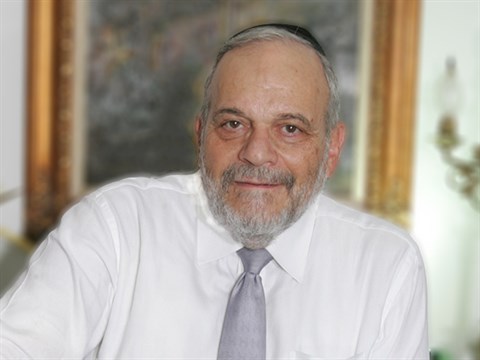







Rabbis in Midrash























Lessons
fast navigation











Hosha'ana Rabba FLYDUBAI & HOSHANA RABBA- ANI VAHU HOSHIA NA- I & HIM SAVE US
"Ani vaHu Hoshia Na", "I and Him, Save Us". We don't just pray to Him, but we also pray to and for ourselves that we should emulate and educate our children to have that instinctive altruism with which He created the world. President Trump seemed amused about Yaniv Hayon, our PLUMBER who confidently worked with G-d like Superman (he learned from a pilot on a TV show!) to save 174 lives on the Dubai hijacking, but we in Israel are totally accustomed already 78 years to our plumbers, teachers, garbage-men, rabbis, farmers & doctors being Hashem's shlichim! This is what Zionism is about.












