Yeshiva
Beit Midrash
- Torah Portion and Tanach
- Bamidbar
- Matot

According to the tradition of the Talmud, as expanded upon by Rambam and other scholars, the elders of Israel, the leaders of the tribes were taught directly by Moshe the entire Oral Law as received by him at Mount Sinai. The fact that this portion of the law was taught to the elders of the tribes contains a particularly significant message that is truly relevant to our time in society.
Everyone must keep their word. There are no two different standards of observance for the leaders of the tribes and for the ordinary members of the tribe itself. Yet, we realize that the leaders of the tribes are particularly prone to violate this injunction, that demands full commitment and compliance with one's words and promises.
We are all aware of political leaders who when campaigning for office make grandiose promises and undertake to further proposed policies and agendas. And we are just as aware that when these very same people achieve office and power, they oftentimes renege and reverse the very ideas and proposals that they used to gain that power and position. The excuse that is always given is that one sees from here -- in a position of power -- what one did not see from there, when one was not in such a position or office of power. However, that is usually a lame excuse.
The words and promises of leaders and politicians in our time do not carry very much weight with the population that they are meant to represent. It is because of this tendency by leaders to say one thing and then do another that the Torah emphasizes that these laws of commitment, regarding the spoken word, that one is bound to fulfill whatever one says, is especially important to emphasize to the leaders of the tribes. Too often they have made commitments and statements before, that now, when they have achieved a leadership role, they are no longer willing to fulfill or honor. This is an important lesson for all times, but especially ours.
Shabbat Shalom
Rabbi Berel Wein
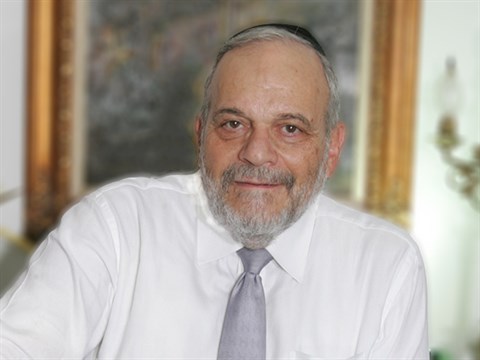







Rabbis in Midrash























Lessons
fast navigation










Hosha'ana Rabba FLYDUBAI & HOSHANA RABBA- ANI VAHU HOSHIA NA- I & HIM SAVE US
"Ani vaHu Hoshia Na", "I and Him, Save Us". We don't just pray to Him, but we also pray to and for ourselves that we should emulate and educate our children to have that instinctive altruism with which He created the world. President Trump seemed amused about Yaniv Hayon, our PLUMBER who confidently worked with G-d like Superman (he learned from a pilot on a TV show!) to save 174 lives on the Dubai hijacking, but we in Israel are totally accustomed already 78 years to our plumbers, teachers, garbage-men, rabbis, farmers & doctors being Hashem's shlichim! This is what Zionism is about.










