Yeshiva
Beit Midrash
- Family and Society
- Current Events
- Understanding Circumstances

Yet, King Solomon in Kohelet taught us the change is very difficult to obtain. He stated that "what was is what will be," in that human nature is pretty much unchangeable and that therefore complete change is really an ephemeral and almost unattainable goal. The desire for change – any change at any cost – is a potent example of human arrogance and hubris. We are all convinced somehow that we can change the world and refashion it in our image and according to our values and beliefs. Again, history mocks us in this belief. The problems that face the world generally and the Jewish people particularly are the same ones that existed thousands of years ago. Many of the proposals for change heard today are merely the recycled theories of the past dressed in new language and implemented by new technology. Change does occur but it is a process and processes take time, patience and tenacity. The changes in Western society wrought by the ideas of the Enlightenment have taken almost five centuries to be fully absorbed in the Western world. The attempt to achieve instant change, which is what our politicians always promise us, is futile simply because change requires time and deliberate patience. Hasty and revolutionary change, in the main and in most historical events, has proven to be more destructive than beneficial. In societies where change is fostered from the bottom up rather than from the top down are able to experience the type of change that is most lasting and positive. Forced change, whether by fiat or legislation, rarely is able to survive the test of time.
Over the last century, there are a number of prime examples of how this forced change – immediate and radical – though initially successful eventually collapsed because of the inability to changing the nature of human beings. The Soviet Union enforced a radical change on the peoples of Russia and most of Eastern Europe. For seventy-five years this new way of life ruled, enforced by a police state and very draconian methods. But atheism, the lack of private property, state control of thought and everything else, are all contrary to basic human nature. And therefore the Soviet system collapsed of its own weight in a sudden and unexpected fashion a quarter of century ago. After the First World War, Kemil Ataturk ruthlessly transformed Turkey from a Moslem caliphate into a Western, completely secular, modern country. This change, laudatory as it may have looked through Western eyes, has also collapsed in our time. Instead, we see Turkey again as an aggressively Moslem country with caliphate ambitions that it barely hides. So when we contemplate change in our society we should bear in mind that it is a process that takes time and deep public acceptance. Otherwise, every attempt to change, no matter how apparently positive and necessary it may appear to be, rarely will be of lasting consequence or value. It must be deeply personal and societal in its origin for it to take hold. The old joke about "How many psychiatrists does it take to change a light bulb? One, but the bulb must want to be changed" is a true comment on personal and national life.
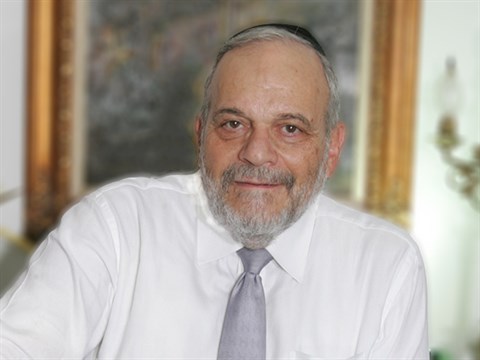






Rabbis in Midrash























Lessons
fast navigation











Various Events FOR WHOM NOT TO VOTE
Rav Zvi Yehuda Kook stressed that Israeli politics is G-dly, so I have no problem answering this common question on a Torani blog. Also, Free-Will is a G-d-given right and obligation, to "destine one's fate" (R. Soloveichik, Kol Dodi Dofek, 67), so I obviously don't tell others how to vote. But once not a few (especially young) have already asked, a couple of personal words from experience and thoughts from chazal & Rav Kook which may be of help to others, mainly for whom NOT to vote.

P'ninat Mishpat Fallout from Failure to Install Elevator – part II
based on ruling 85007 of the Eretz Hemdah-Gazit Rabbinical Courts








