Yeshiva
Beit Midrash
- Torah Portion and Tanach
- D'varim
- Vayelech

But the road to this final glorious destination is strewn with pitfalls and detours, mistakes and betrayals. Moshe does not offer up any honey coated formulas for survival. He does not propose instant solutions or original panaceas. He tells the Jewish people how hard and long the road back home, physically and spiritually will be. It is the almost brutal honesty of his description of the problems and situations that Israel will have to overcome that lends veracity and confirmation to his final message of blessing and confident hope. In this season of our asking God to grant us a good and healthy year we should be wary of asking Him for a free lunch. We must offer in return for God’s gifts our own commitments for a strengthened Torah presence within us and our homes, a renewed loyalty to the Jewish people and to Torah values as enunciated to us throughout the ages and a feeling of solidarity with the land and people of Israel. We cannot merely ask God for more without also exhibiting our willingness to contribute in every way that we can to the great goals of Jewish destiny. God’s blessings are assured but only if we are willing to work to achieve them. Nitzavim, Vayelech, Haazinu all precede Zot Habracha. There are no shortcuts to get to the blessings but we will surely arrive there in this coming good year that the Lord bestows upon us.



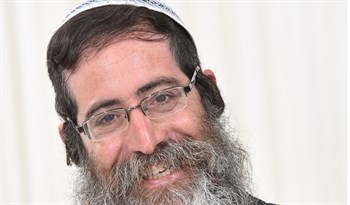





Rabbis in Midrash























Lessons
fast navigation











Various Events FOR WHOM NOT TO VOTE
Rav Zvi Yehuda Kook stressed that Israeli politics is G-dly, so I have no problem answering this common question on a Torani blog. Also, Free-Will is a G-d-given right and obligation, to "destine one's fate" (R. Soloveichik, Kol Dodi Dofek, 67), so I obviously don't tell others how to vote. But once not a few (especially young) have already asked, a couple of personal words from experience and thoughts from chazal & Rav Kook which may be of help to others, mainly for whom NOT to vote.

P'ninat Mishpat Fallout from Failure to Install Elevator – part II
based on ruling 85007 of the Eretz Hemdah-Gazit Rabbinical Courts









