Yeshiva
Beit Midrash
- Shabbat and Holidays
- Laws of Hanukkah
- Peninei Halkha - Hanukkah
- Sections
- Peninei Halakha

Since there is uncertainty in these cases, one who does not have a home should light without the berakhot. For example, one who is hiking or camping on Ĥanuka and sleeps in a field or by the road should light candles without the berakhot. Similarly, a soldier sleeping in a trench or a small tent should light without the berakhot. However, if a hiker or soldier is sleeping in a large tent, he should light with the berakhot at the tent’s entrance, as the tent is considered a home.
One who is traveling through the night on a train, a plane, or a ship with cabins should light with the berakhot. Even though he is in transit, the inside of the train, plane, or ship is considered a home for the purpose of lighting Ĥanuka candles. However, sometimes safety considerations do not allow for lighting candles. If those in charge allow one passenger to light one candle for everyone, all the passengers have fulfilled their obligation. 25
^ 25.According to Responsa Maharsham 4:146, the obligation depends upon having a home. This is also the position of Mikra’ei Kodesh (Frank) §18. In contrast, Responsa Beit She’arim §362 states that the mitzva does not depend upon having a home. Tzitz Eliezer 15:29 and Az Nidberu 7:63 rule this way as well. Therefore, a soldier who is in a trench or a small tent should light without the berakhot (Shabbat U-mo’ed Be-Tzahal, pp. 332-333). This also applies to one who is sleeping in the streets or fields. The status of one who is sleeping on a train is based on Maharsham loc. cit., as well as AHS 677:5. We already learned above in section 11 that according to Sephardic custom, if one’s spouse is lighting for him at home or if one is dependent on his parents, he must light without the berakhot. According to Ashkenazic custom, one may light with the berakhot.
If lighting even one candle in an airplane is dangerous, it is proper for the airline to light electric candles (without the berakhot) to publicize the miracle. However, the passengers do not fulfill their obligation through this lighting.
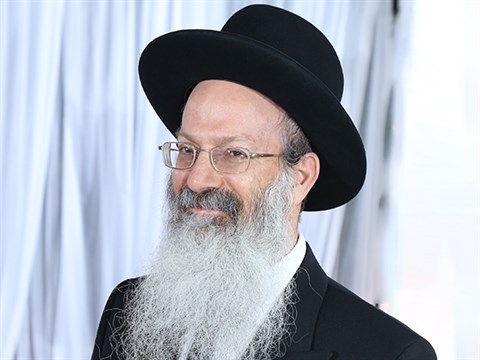
Rabbi Eliezer Melamed
Rosh Yeshiva of Har Bracha and rabbi of the settlement.

Peninei Halakha 18. Torah Verses in the Prayers and in the Berakha of She-asa Li Kol Tzorki
Chapter 10: The Laws of Tisha Be-Av
Peninei Halkha - Hanukkah 5. Friday Evening and Saturday Night
Chapter 13: When and Where to Light Hanuka Candles




Rabbis in Midrash






















Lessons
fast navigation









Various Events FOR WHOM NOT TO VOTE
Rav Zvi Yehuda Kook stressed that Israeli politics is G-dly, so I have no problem answering this common question on a Torani blog. Also, Free-Will is a G-d-given right and obligation, to "destine one's fate" (R. Soloveichik, Kol Dodi Dofek, 67), so I obviously don't tell others how to vote. But once not a few (especially young) have already asked, a couple of personal words from experience and thoughts from chazal & Rav Kook which may be of help to others, mainly for whom NOT to vote.

P'ninat Mishpat Fallout from Failure to Install Elevator – part II
based on ruling 85007 of the Eretz Hemdah-Gazit Rabbinical Courts










