Yeshiva
Beit Midrash
- Torah Portion and Tanach
- Shmot
- Tetzave

The Torah study is dedicatedin the memory of
Hana Bat Haim
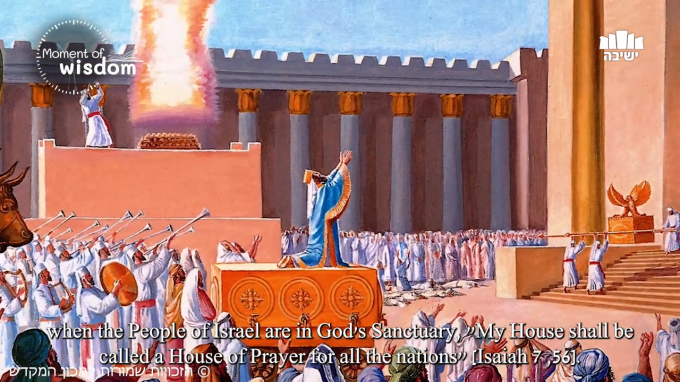
The Torah refers to the kohanim’s garments as l’chavod u’l’tifaret (for honor and grandeur) (Shemot 28:2). The simple explanation is that they were special to honor the kohanim, who were honorable people with an honorable job. In general, there is a concept that people who are of a high standing (e.g., a king, a talmid chacham) can and even should maintain their dignity among the "common folk" (see Rambam, Melachim 2:5; ibid, Deot 5:1). However, we do not find great detail and emphasis as we do in regard to the kohanim. Why is this the case?
Upon checking the halachot of a kohen’s clothes, we find that the kohen must (under the threat of serious Divine retribution) wear the garments, but only during the time that he is actually serving in his sacred role. He is permitted to wear the garments "off duty" but only during the day, when he is capable of doing such service. These points and others lead to the following approach that the Sefer Hachinuch (#99) adopts.
The garments’ main objective was to remind the kohen who is serving in the Mikdash how lofty and crucial his task is. Their perfection should remind him that his actions should be complete. The Chinuch mentions another element that the Ramban dwells on more. That is that people who see the kohen dressed so impressively will more readily appreciate the importance of the service and the Mikdash in which he is involved. However, it is not the person as a person that needs to be honored but the person as a representative of his calling.
Let us contrast this with the context of the Persian use of royal garments as it finds expression in regard to Mordechai. The first time he wore the royal garments was before he even had a lofty governmental post. Rather, it was a manner of rewarding someone by showing that he is important (Esther 6:9). The second time, it says that "Mordechai went out from before the king with" the various clothes (ibid. 8:15). It was the outward use of the clothes which was the Persian view of honor. Let the person show off how important his job makes him. The Torah approach is to use the clothes to remind the person and the public how important the job is so that all will know to treat the ideals behind the calling with the proper respect.








Rabbis in Midrash























Lessons
fast navigation











Hosha'ana Rabba FLYDUBAI & HOSHANA RABBA- ANI VAHU HOSHIA NA- I & HIM SAVE US
"Ani vaHu Hoshia Na", "I and Him, Save Us". We don't just pray to Him, but we also pray to and for ourselves that we should emulate and educate our children to have that instinctive altruism with which He created the world. President Trump seemed amused about Yaniv Hayon, our PLUMBER who confidently worked with G-d like Superman (he learned from a pilot on a TV show!) to save 174 lives on the Dubai hijacking, but we in Israel are totally accustomed already 78 years to our plumbers, teachers, garbage-men, rabbis, farmers & doctors being Hashem's shlichim! This is what Zionism is about.











