Yeshiva
Beit Midrash
- Torah Portion and Tanach
- D'varim
- Ki Tetze

But as all of us living here in Israel are well aware of, war is a constant state of affairs in our national and personal life. The Jewish people have been at war here in the Land of Israel for almost all of the years of the past century. These wars may not be of our choosing or our initiative but they are omnipresent in our lives and society. And because of this difficult state of affairs, Israeli society has been affected and even shaped by the presence of constant combat and warfare. Much of the rough spots that still exist in our society – the divisiveness, the absence of mannered courtesy, the unnecessary assertiveness, etc. – are all consequences of our being in a constant state of war. Inhibitions and piety are hard to maintain under such conditions and consequences. Peace is not merely an absence of a hot war. It is a state of mind that induces tranquility, rationality and all around general goodness. That is why peace is so exalted in the works of the prophets and throughout the Talmud and Jewish tradition. And that is why we pray three times daily that its presence should be felt amongst us. With peace – both inner and outer – such events as portrayed for us at the beginning of this week's parsha simply do not occur. There is no people that longs for peace as greatly as do the people of Israel. May the Lord somehow bless us with the achievement of peace and thereby restore us to normalcy, piety and eternal goodness.
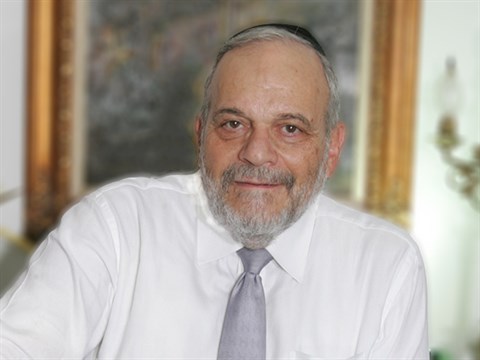






Rabbis in Midrash























Lessons
fast navigation










Various Events FOR WHOM NOT TO VOTE
Rav Zvi Yehuda Kook stressed that Israeli politics is G-dly, so I have no problem answering this common question on a Torani blog. Also, Free-Will is a G-d-given right and obligation, to "destine one's fate" (R. Soloveichik, Kol Dodi Dofek, 67), so I obviously don't tell others how to vote. But once not a few (especially young) have already asked, a couple of personal words from experience and thoughts from chazal & Rav Kook which may be of help to others, mainly for whom NOT to vote.

P'ninat Mishpat Fallout from Failure to Install Elevator – part II
based on ruling 85007 of the Eretz Hemdah-Gazit Rabbinical Courts










