Yeshiva
Beit Midrash
- Torah Portion and Tanach
- D'varim
- Va'etchanan

The Torah study is dedicatedin the memory of
Asher Ben Haim
The Shemot version of Shabbat focuses on the religious, belief-based element of the mitzva. We declare our belief that Hashem created the world. Our parasha’s version stresses the national element, commemorating our emergence from servitude to independence. Rashi cites the Mechilta that the two versions were miraculously said and heard simultaneously. It follows that the religious element and the national one form a single, inseparable entity.
Another mitzva in our parasha, tefillin, highlights the concept of meshing the religious and national motifs. There are two kinds of tefillin, that of the arm and that of the head. Tefillin of the arm is placed near the heart and is preferably kept covered. In that way, it serves as a sign of the personal connection between man and his Master. In contrast, the tefillin of the head demonstrates publicly the connection between Bnei Yisrael and Hashem on a national level. Chazal tell us that the pasuk, "All the nations of the land will see that the name of Hashem is called upon you, and they will fear you," is a reference to those tefillin that are worn proudly on the top of the head (Berachot 6a).
The halachot of tefillin are instructive in demonstrating the nature of these two elements. As with Shabbat, the two tefillin form a harmonious unit, as one is supposed to have both on together. Indeed, one is supposed to be aware of both his personal, spiritual obligation and his national one. But, if need be, either tefillin can be worn alone, for example, if one has an injury to either arm or head that precludes putting them on that part. It is also possible to have only a personal element or only a national one. However, one should realize that either situation (i.e. exile or lack of fulfillment of mitzvot) is an unhealthy one. In fact, the halacha is that when makes an interruption between placing the two tefillin on, it is a sin that makes one unsuitable to take part in the war effort of Bnei Yisrael (Menachot 35b), which requires a healthy synthesis.





Rabbis in Midrash























Lessons
fast navigation




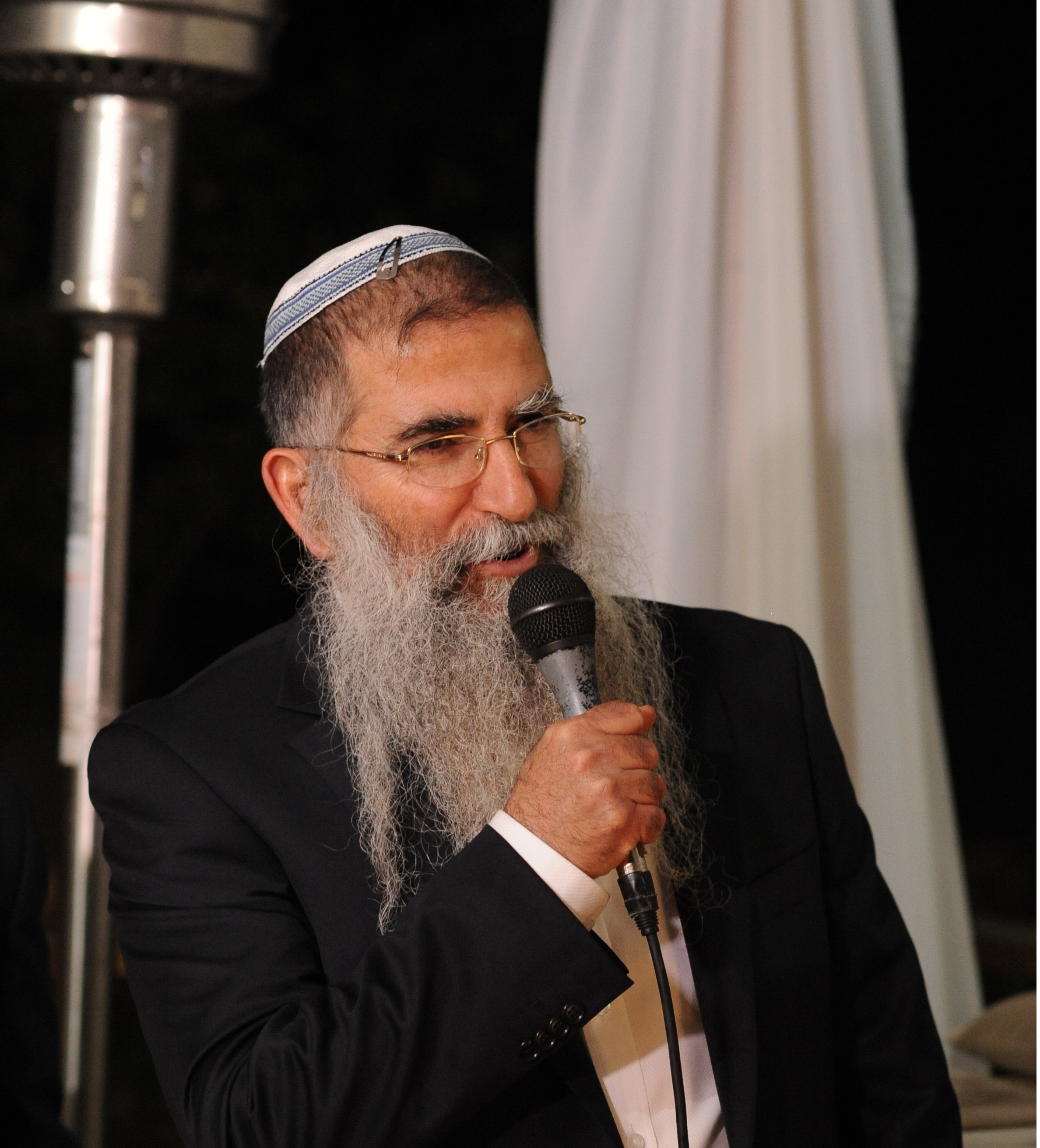






Hosha'ana Rabba FLYDUBAI & HOSHANA RABBA- ANI VAHU HOSHIA NA- I & HIM SAVE US
"Ani vaHu Hoshia Na", "I and Him, Save Us". We don't just pray to Him, but we also pray to and for ourselves that we should emulate and educate our children to have that instinctive altruism with which He created the world. President Trump seemed amused about Yaniv Hayon, our PLUMBER who confidently worked with G-d like Superman (he learned from a pilot on a TV show!) to save 174 lives on the Dubai hijacking, but we in Israel are totally accustomed already 78 years to our plumbers, teachers, garbage-men, rabbis, farmers & doctors being Hashem's shlichim! This is what Zionism is about.












