Yeshiva
Beit Midrash
- Torah Portion and Tanach
- Bereshit
- Toldot

The saga of favoritism by parents regarding one of their children will be repeated by Yaakov in the story of Yosef and his brothers. That dispute will haunt Jewish life throughout its history. Everyone strives to achieve a harmonious home and family. But the goal is an elusive one for many. Differing circumstances, personal preferences, human error, and societal influences all play a part in the problem of creating a harmonious and loving household. That is what the rabbis meant when they stated that Yaakov wanted to dwell in peace and serenity - he wanted to achieve that household of goodness and peace - and instead the disaster of Yosef and his brothers impressed itself upon him and his family. A great sage once said that life and especially family life can be likened to ships that traverse the ocean. Each one fabricates its own wake but the wake soon disappears and the next ship has to find its way across the ocean by itself. No two family situations are the same nor are two children in the same family identical - even identical twins. The Torah informs us of the difficulties inherent in family situations and differing personalities and opinions. It offers no magic solution to these family situations for there is no one size fits all that can be advanced. Wisdom, patience, good will and common sense are the ingredients for family success and achievement.


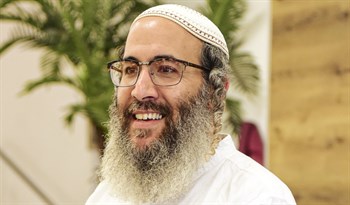




Rabbis in Midrash























Lessons
fast navigation











Various Events FOR WHOM NOT TO VOTE
Rav Zvi Yehuda Kook stressed that Israeli politics is G-dly, so I have no problem answering this common question on a Torani blog. Also, Free-Will is a G-d-given right and obligation, to "destine one's fate" (R. Soloveichik, Kol Dodi Dofek, 67), so I obviously don't tell others how to vote. But once not a few (especially young) have already asked, a couple of personal words from experience and thoughts from chazal & Rav Kook which may be of help to others, mainly for whom NOT to vote.

P'ninat Mishpat Fallout from Failure to Install Elevator – part II
based on ruling 85007 of the Eretz Hemdah-Gazit Rabbinical Courts









