40 Lessons

Zachor SWEET DOESN'T MEAN PUSHOVER- Parshat Zachor
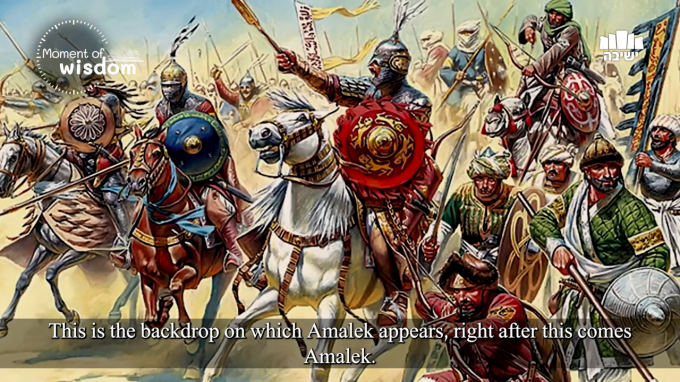
The ingenious & rational Rambam (hil. M'lachim 5, 5) adds several surprising words in defining the Torah mitzva to remember what Amalek did to us: "to constantly (!) remember their evil deeds and their ambush of Israel TO AROUSE OUR HATRED of them". We usually relate to hatred as something we are meant to overcome, and surely not "arouse", and definitely not "constantly"! Anyway you look at it, it's been 2500 years since there was a practical mitzvah to fight the Amalek children, so why must we constantly (?) "remember"? This short article analyzes the Jewish mistake which Hamas has recently helped us understand.

Para The Mystery of the Mount of Olives
As is known, everything about the Red Heifer is shrouded in mystery, and the location of its sprinkling is no exception. He who understands it will discover something fascinating...

Para Carbon Fiber versus Titanium
When is it good to interrupt? Is an entertainer swinging from a flying trapeze an ohel? Why would anyone throw a tent? What difference does it make, halachically, whether an airplane is manufactured from aluminum, titanium or carbon fiber?
Zachor The Inability to Accept the Good
What connects Cyrus, Hamman, Adam and the people of Israel exiting Egypt? And what connects happiness and faith?

Para Purity and Gratitude
Moment of Wisdom
The purity of the red calf gives us a warm and feeling heart, that will bring us to our redemption.

Bemare Habazak - Rabbis Questions Parashat Zachor with Different Pronunciations
My shul has always read Parashat Zachor once, with our regular havara (pronunciation). Some people now complain that we do not follow other shuls and read multiple times with different havarot to fulfill the mitzva according to more opinions and to do the mitzva properly for Sephardim. Should we change our minhag?
Parashat Hashavua Partial Understanding of Half
The six p’sukim of our maftir, known as Parashat Shekalim (Shemot 30:11-16), combine so many separate concepts that at first appear as referring to the same thing that it is difficult to keep things straight. At the center of it all, though, is the half-shekel coin. Let us see what it is apparently connected to.