Yeshiva
Beit Midrash
- Torah Portion and Tanach
- Bamidbar
- Korach
- Sections
- Chemdat Yamim
- Parashat Hashavua

Korach and his close associates were joined by a group of 250 prominent people. Moshe challenged them to sacrifice incense in troughs of copper. As a result, the opposition of Moshe and Aharon were killed by a fire from Heaven. In the aftermath, Moshe was told to take the copper remains and turn them into a netting around the altar to serve as a reminder that those are not from the family of Aharon not step forward to bring incense in the sanctuary (Bamidbar 17: 1-5). While the idea was a Divine decree, there was a clear message that the story of Korach’s rebellion not be forgotten. Moshe took a bold step in using copper in another context. He accepted the mirrors that women had brought in order to use for the washing cup (kiyor) (Shemot 38:8). He felt this was appropriate despite the connection of the mirrors with arguable vanity and physical attractions, thereby showing his high regard for the women. The kiyor served as a constant reminder, along with the other copper reminder of the dangers of the rebellious dignitaries of Korach.
The broader and bolder than expected use of copper is notably present in the Beit Hamikdash built by Shlomo as well. The following structures in the courtyard of the Temple are found in the sources: 1) Two enormous copper pillars (around the size of a four-story building) named Yachin and Boaz were erected (Melachim I, 7:15-22). 2) There were ten copper washing cups instead of the one in the Mishkan. 3) Each of the cups had a large and elaborate copper basin. 4) A large pool made of copper known as the yam was erected, which also added some type of purification element. 5) Twelve replicas of cattle were displayed, three in each direction, in the courtyard, as a remembrance of the Israelite encampment in the desert.
What is fascinating about all of these copper utensils and structures is that they do not follow the instructions for the Mishkan as found in the Torah and are not mentioned in the list of utensils and materials that David left for his son based on Divine instruction (see Divrei Hayamim I, 28:12-19). From where did Shlomo get the idea and the gall to introduce these elements?
It is very possible that the precedent for these additions was in Moshe’s special use of copper in the courtyard of the Mishkan, which was an inspiration to not only use the copper as a historical remembrance but as model of future behavior.
Let us pray that we will have the merit to be involved in the complete rebuilding of the Beit Hamikdash with all of its basic elements and all of its additions








Rabbis in Midrash























Lessons
fast navigation








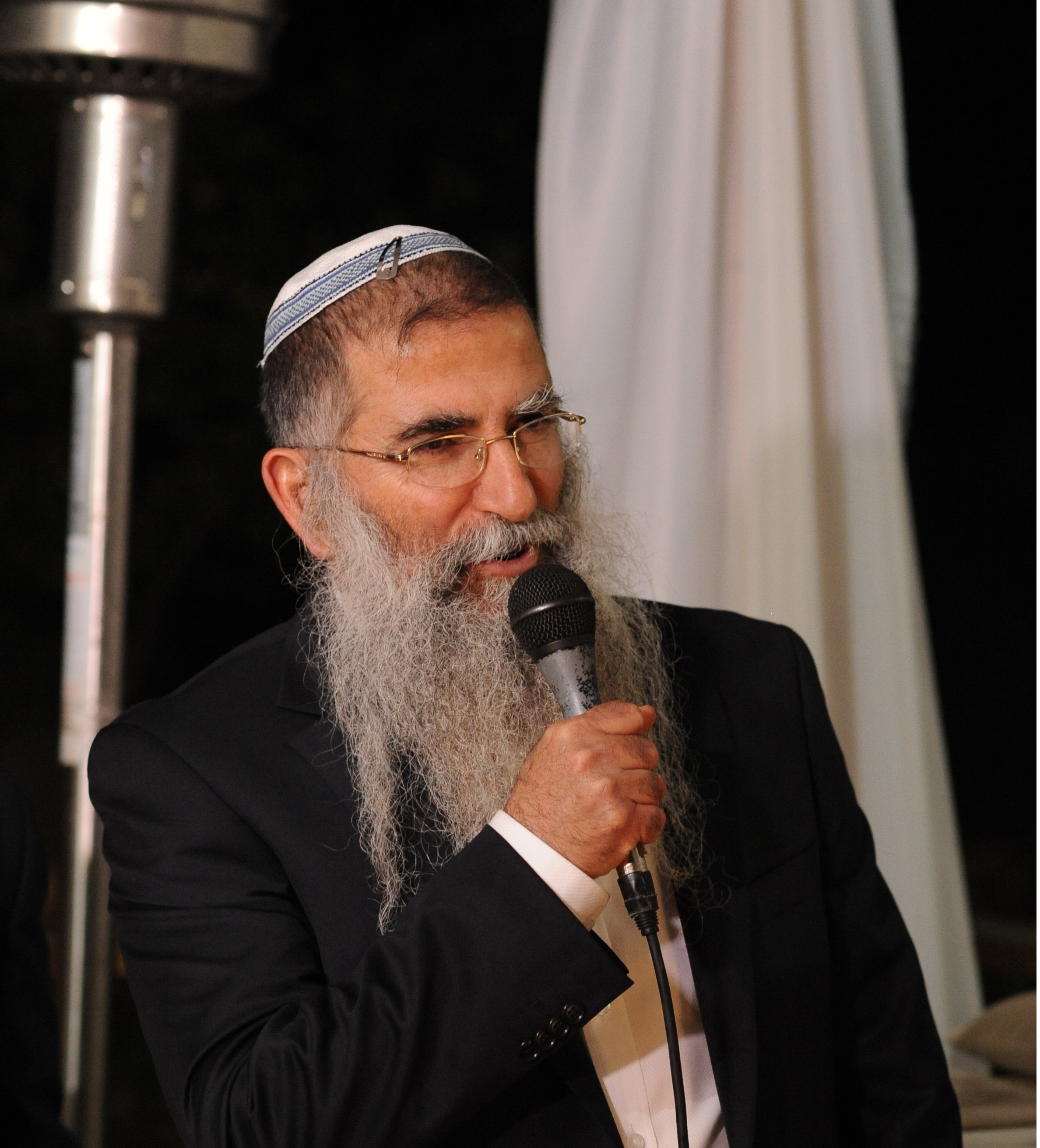

Hosha'ana Rabba FLYDUBAI & HOSHANA RABBA- ANI VAHU HOSHIA NA- I & HIM SAVE US
"Ani vaHu Hoshia Na", "I and Him, Save Us". We don't just pray to Him, but we also pray to and for ourselves that we should emulate and educate our children to have that instinctive altruism with which He created the world. President Trump seemed amused about Yaniv Hayon, our PLUMBER who confidently worked with G-d like Superman (he learned from a pilot on a TV show!) to save 174 lives on the Dubai hijacking, but we in Israel are totally accustomed already 78 years to our plumbers, teachers, garbage-men, rabbis, farmers & doctors being Hashem's shlichim! This is what Zionism is about.












