Yeshiva
Beit Midrash
- Jewish Laws and Thoughts
- Jewish Thought
- Having Faith in Hashem
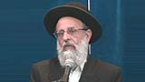
translated by Hillel Fendel
Israel's Exodus from Egypt served as a preparatory course for the nation's great future, foretold at the very beginning of its creation to its Patriarch Avraham: "I will make you into a great nation… and the other nations will be blessed through you" (B'reshit 12,2-3).
The meaning of the phrase "great nation" in this context is that we will be "close to G-d." As written in Va'et'chanan, "Who is a great nation like Israel, to which G-d is so close." However, to reach closeness to G-d, several steps are required.
The First Stage
The first one is Havdalah, differentiation. We are different than the other nations, and we were chosen from among them – not for extra privileges, but to fulfill a specific role. This is why G-d took us out of Egypt, redeeming us with "a strong hand, an outstretched arm, and with great visions." Ever after we left Egypt, however, and stood on our own, we were still not freed of the influence of the foreign culture. For that, additional stages were still needed.
Gentile culture is based on the subjugation to nature and its laws, and it sees material success as the pinnacle of life. This led to the adulation of material forces and idol-worship, with the Egyptians, Greeks and others worshiping the sun, moon, sea and stars, on which they hinged success in war, love, etc.
Above all, they all believed in a force that encompasses the world and life, restricting and keeping everything in place. As such, they saw the ocean that surrounds the land, man's home, as a super-power.
Stage Two
In order to free Israel from these beliefs, a unique story of heroism and might was required, one that would strike the Egyptians and their beliefs a blow from which they would not be able to recover. And so came the Ten Plagues, which cost the Egyptians their confidence and strength.
G-d then initiated a ploy of deception, as if Israel had lost their way in the desert, leading Pharoah to believe that he could successfully pursue them and bring them back as slaves again. Slavery was, after all, the method by which the tyrannical kingdom built its glory.
G-d guided the Israelite nation via the Cloud of Glory and the Pillar of Fire, and they reached the Red Sea – with the Egyptian army and all its chariots and horsemen right behind them. When the situation appeared hopeless, the sea miraculously split in two. This showed the Egyptians that the great waters that they thought were a life-stopper actually surrendered to the Divine, and made way for the God of Israel and His chosen nation to march through, on their way to bring redemption to humankind.
This amazing passage "through the waters on dry land" drew the Egyptians to continue to pursue them – and they were engulfed by the same waters that had let the Israelites pass through. When morning came, Israel saw how the same sea in which the Egyptians had believed was that which destroyed each and every one of them.
That was the moment in which the Divine Providence was seen so clearly to be that which protects and saves, and to which all forces of nature are subject, and that the Kingdom of God rules over the entire world. This was the moment about which was written the well-known verse, "And Israel saw the great hand which G-d activated in Egypt, and they believed in God and in His servant Moshe."
Stage Three
This faith was unbridled and unrestricted dedication to the truth. This was faith that included dedication of both the intellect and the heart; it raised the intellect to a level of clear, world-embracing recognition, and the heart to the tremendous joy of the belonging and the closeness to that truth and faith.
This clear joining of the mind and heart led to the eruption of the Song of the Sea in joy that included thanks for the past, anticipation of the great future – and total confidence that ultimately, G-d's Kingdom will be revealed over Israel in the Divine Presence dwelling in the Holy Temple and the Chosen Land, with the nations of the world recognizing the eternal kingdom that has arisen via the Holy Nation.
Stage Four
Via the recognition of G-d's salvation, Bnei Yisrael merited a level of Divine Providence that prepared the way for the next stage: the clear knowledge that G-d's greatness is seen not only in the large picture, but also in personal Divine providence that accompanies every individual every day. This was seen in the miracle of the falling of the Manna, heavenly bread.
The manna fell every single weekday and was gathered by the Israelites, who discovered to their amazement that the portion for each person was fixed and precise for each person: an omer (about 2.2 liters, according to the Rambam) for each person. Since no one could ever amass more than that, it meant that each day required new prayers and new faith for the Divine Providence of that day. On Fridays, the amount was doubled, for none fell on the Sabbath. This strengthened their faith in G-d as Creator of the World in six days Who rested on the seventh. This faith has accompanied us throughout history, even now; each Sabbath we place two loaves of bread on the table, one for each portion of manna, thus exhibiting our faith in the Creator and His particular providence over each and every one of us.
Fifth and Final
Our faith in G-d's providence over both the individuals and the community of Israel is that which prepared us for the next stage: the Giving of the Torah at Sinai. Today, too, in our Third Redemption, we connect with our faith in all its aspects: providence over Clal Yisrael, over each of us, over Eretz Yisrael and its hills and valleys, and in our fulfillment of the Torah. May G-d be with us so that we merit to see the light and holiness of Israel becoming revealed before the entire world.
In order to get articles like this delivered straight to your inbox every week, subscribe to the Israel National Torah newsletter here.
Israel's Exodus from Egypt served as a preparatory course for the nation's great future, foretold at the very beginning of its creation to its Patriarch Avraham: "I will make you into a great nation… and the other nations will be blessed through you" (B'reshit 12,2-3).
The meaning of the phrase "great nation" in this context is that we will be "close to G-d." As written in Va'et'chanan, "Who is a great nation like Israel, to which G-d is so close." However, to reach closeness to G-d, several steps are required.
The First Stage
The first one is Havdalah, differentiation. We are different than the other nations, and we were chosen from among them – not for extra privileges, but to fulfill a specific role. This is why G-d took us out of Egypt, redeeming us with "a strong hand, an outstretched arm, and with great visions." Ever after we left Egypt, however, and stood on our own, we were still not freed of the influence of the foreign culture. For that, additional stages were still needed.
Gentile culture is based on the subjugation to nature and its laws, and it sees material success as the pinnacle of life. This led to the adulation of material forces and idol-worship, with the Egyptians, Greeks and others worshiping the sun, moon, sea and stars, on which they hinged success in war, love, etc.
Above all, they all believed in a force that encompasses the world and life, restricting and keeping everything in place. As such, they saw the ocean that surrounds the land, man's home, as a super-power.
Stage Two
In order to free Israel from these beliefs, a unique story of heroism and might was required, one that would strike the Egyptians and their beliefs a blow from which they would not be able to recover. And so came the Ten Plagues, which cost the Egyptians their confidence and strength.
G-d then initiated a ploy of deception, as if Israel had lost their way in the desert, leading Pharoah to believe that he could successfully pursue them and bring them back as slaves again. Slavery was, after all, the method by which the tyrannical kingdom built its glory.
G-d guided the Israelite nation via the Cloud of Glory and the Pillar of Fire, and they reached the Red Sea – with the Egyptian army and all its chariots and horsemen right behind them. When the situation appeared hopeless, the sea miraculously split in two. This showed the Egyptians that the great waters that they thought were a life-stopper actually surrendered to the Divine, and made way for the God of Israel and His chosen nation to march through, on their way to bring redemption to humankind.
This amazing passage "through the waters on dry land" drew the Egyptians to continue to pursue them – and they were engulfed by the same waters that had let the Israelites pass through. When morning came, Israel saw how the same sea in which the Egyptians had believed was that which destroyed each and every one of them.
That was the moment in which the Divine Providence was seen so clearly to be that which protects and saves, and to which all forces of nature are subject, and that the Kingdom of God rules over the entire world. This was the moment about which was written the well-known verse, "And Israel saw the great hand which G-d activated in Egypt, and they believed in God and in His servant Moshe."
Stage Three
This faith was unbridled and unrestricted dedication to the truth. This was faith that included dedication of both the intellect and the heart; it raised the intellect to a level of clear, world-embracing recognition, and the heart to the tremendous joy of the belonging and the closeness to that truth and faith.
This clear joining of the mind and heart led to the eruption of the Song of the Sea in joy that included thanks for the past, anticipation of the great future – and total confidence that ultimately, G-d's Kingdom will be revealed over Israel in the Divine Presence dwelling in the Holy Temple and the Chosen Land, with the nations of the world recognizing the eternal kingdom that has arisen via the Holy Nation.
Stage Four
Via the recognition of G-d's salvation, Bnei Yisrael merited a level of Divine Providence that prepared the way for the next stage: the clear knowledge that G-d's greatness is seen not only in the large picture, but also in personal Divine providence that accompanies every individual every day. This was seen in the miracle of the falling of the Manna, heavenly bread.
The manna fell every single weekday and was gathered by the Israelites, who discovered to their amazement that the portion for each person was fixed and precise for each person: an omer (about 2.2 liters, according to the Rambam) for each person. Since no one could ever amass more than that, it meant that each day required new prayers and new faith for the Divine Providence of that day. On Fridays, the amount was doubled, for none fell on the Sabbath. This strengthened their faith in G-d as Creator of the World in six days Who rested on the seventh. This faith has accompanied us throughout history, even now; each Sabbath we place two loaves of bread on the table, one for each portion of manna, thus exhibiting our faith in the Creator and His particular providence over each and every one of us.
Fifth and Final
Our faith in G-d's providence over both the individuals and the community of Israel is that which prepared us for the next stage: the Giving of the Torah at Sinai. Today, too, in our Third Redemption, we connect with our faith in all its aspects: providence over Clal Yisrael, over each of us, over Eretz Yisrael and its hills and valleys, and in our fulfillment of the Torah. May G-d be with us so that we merit to see the light and holiness of Israel becoming revealed before the entire world.
In order to get articles like this delivered straight to your inbox every week, subscribe to the Israel National Torah newsletter here.






Rabbis in Midrash























Lessons
fast navigation











Various Events FOR WHOM NOT TO VOTE
Rav Zvi Yehuda Kook stressed that Israeli politics is G-dly, so I have no problem answering this common question on a Torani blog. Also, Free-Will is a G-d-given right and obligation, to "destine one's fate" (R. Soloveichik, Kol Dodi Dofek, 67), so I obviously don't tell others how to vote. But once not a few (especially young) have already asked, a couple of personal words from experience and thoughts from chazal & Rav Kook which may be of help to others, mainly for whom NOT to vote.

P'ninat Mishpat Fallout from Failure to Install Elevator – part II
based on ruling 85007 of the Eretz Hemdah-Gazit Rabbinical Courts








