Yeshiva
Beit Midrash
- Torah Portion and Tanach
- Bereshit
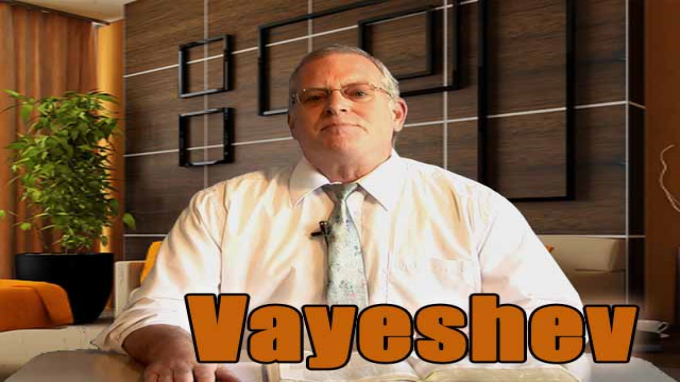
- Vayeshev

The issue is not the favoritism itself, but, rather, how the parents and the other members of the family deal with this situation. A great deal depends upon the attitude of the child that is being favored.
In this week's Torah reading, Joseph flaunts his status as being the favored child of Jacob. It is not so much that the brothers resent the specialness displayed by Jacob as he relates to Joseph, for they realize that Joseph is a person of physical strength and attraction, filled with great spiritual and creative values. They even do not begrudge him his status as being the favorite of their father. What they do object to, and most vehemently react to, is the way Joseph chooses to publicly display his favored status in their faces and to their detriment.
One need not demean others to establish one's own greatness and talents. Every person is entitled to great dreams but may not to use them publicly as a weapon against others. And it is this vicious pattern of behavior exhibited by Joseph that the brothers object to, and eventually feel mortally threatened by.
At the end of this wondrous story related to us in the Torah, the brothers and Joseph will come to terms with his uniqueness and favorite position in the family. Joseph will wisely refrain from relating to them his dreams of success, nor attribute his position of power over them to that of entitlement, but rather, as being God's servant in bringing about salvation for all concerned. The brothers, for their part, will realize that their actions were unjustified and extreme regarding their treatment of their brother.
All parties concerned will be forced to take a step back and readjust their thinking as to their reaction regarding the favored status of Joseph. It will take decades and a great deal of pain and suffering on the part of all of Jacob's sons to face up to the reality of their past behavior towards one another. But the greatness of our forefathers, who created the tribes of Israel and the Jewish nation, lies in their honest assessment of their past behavior, and their attempt to begin again with a new and different attitude towards each other.
There will be lingering doubts and fears, of course, for the past never disappears, but in the Torah readings during this coming month, the crucial moral lesson about being honest regarding our past, and being better people regarding our future, will be driven home to us.







Rabbis in Midrash























Lessons
fast navigation










Hosha'ana Rabba FLYDUBAI & HOSHANA RABBA- ANI VAHU HOSHIA NA- I & HIM SAVE US
"Ani vaHu Hoshia Na", "I and Him, Save Us". We don't just pray to Him, but we also pray to and for ourselves that we should emulate and educate our children to have that instinctive altruism with which He created the world. President Trump seemed amused about Yaniv Hayon, our PLUMBER who confidently worked with G-d like Superman (he learned from a pilot on a TV show!) to save 174 lives on the Dubai hijacking, but we in Israel are totally accustomed already 78 years to our plumbers, teachers, garbage-men, rabbis, farmers & doctors being Hashem's shlichim! This is what Zionism is about.











