Yeshiva
Beit Midrash
- Shabbat and Holidays
- Laws of Hanukkah
- Peninei Halkha - Hanukkah
- Sections
- Peninei Halakha
If an unmarried person will be staying for the night as well, his status depends on where he is sleeping. If he will be sleeping in the hosts’ home, he should pay the host the value of a pruta toward the cost of the candles (or the host may give him a share in the candles as a gift) and he can fulfill his obligation through the host’s lighting. According to Ashkenazic custom, it is better if he lights his own candles with the berakhot, thus fulfilling the custom of mehadrin min ha-mehadrin. If the unmarried guest was given a separate residence for sleeping, according to all customs he should light there with the berakhot. 20
^ 20.See Shabbat 23a; SA 677:1. According to Ashkenazic custom, every member of the household lights his own candles, in order to beautify the mitzva. In contrast, according to Sephardic custom (above 12:3), only one person lights in each household. According to Ginat Veradim (cited in Kaf Ha-ĥayim 677:3), as long as the guests are completely dependent on their hosts, there is no need to pay the value of a pruta toward the cost of the candles, because we can assume the hosts give them a share in the candles as a gift. However, according to many Aĥaronim, including MB 677:1, the guests should still contribute the value of a pruta or otherwise acquire a share in the candles. The only case in which they do not need to do so is if they are permanently dependent on the host, as is the case with live-in workers. Even if the guest is one of the homeowner’s children, and thus there is good reason to claim that he is considered a part of the family, since the guest is an independent adult, it is proper for him to pay toward the cost of the candles and meet the requirements of the more stringent position on the matter.
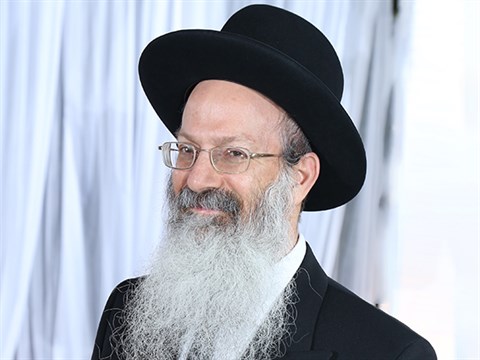
Rabbi Eliezer Melamed
Rosh Yeshiva of Har Bracha and rabbi of the settlement.

Peninei Halakha 18. Torah Verses in the Prayers and in the Berakha of She-asa Li Kol Tzorki
Chapter 10: The Laws of Tisha Be-Av
Peninei Halkha - Hanukkah 6. Delaying Candle-Lighting When Necessary
Chapter 13: When and Where to Light Hanuka Candles


Rabbis in Midrash






















Lessons
fast navigation


Various Events FOR WHOM NOT TO VOTE
Rav Zvi Yehuda Kook stressed that Israeli politics is G-dly, so I have no problem answering this common question on a Torani blog. Also, Free-Will is a G-d-given right and obligation, to "destine one's fate" (R. Soloveichik, Kol Dodi Dofek, 67), so I obviously don't tell others how to vote. But once not a few (especially young) have already asked, a couple of personal words from experience and thoughts from chazal & Rav Kook which may be of help to others, mainly for whom NOT to vote.

P'ninat Mishpat Fallout from Failure to Install Elevator – part II
based on ruling 85007 of the Eretz Hemdah-Gazit Rabbinical Courts