Yeshiva
Beit Midrash
- Torah Portion and Tanach
- D'varim
- Nitzavim

Covenants are immutable and unchangeable. They have a binding quality that ordinary agreements or even contracts do not possess. And this is true from the beginning of the story of the Jewish people, and maybe even from the beginning of history and God's relationship to human beings as Creator. We find in the story of the flood and the rainbow, that the relationship is always based on a binding and unchangeable covenant.
The Jewish people have always sensed the gravity of the covenantal relationship with God. It is the sole explanation for all the events and patterns of Jewish history from the time of Abraham until today. We are a covenantal people and are bound by restrictions and fueled by prophetic vision and utopian hope.
Only a people who feel themselves part of and bound by an eternal covenant, would have the strength and the ability to survive and even prosper under the circumstances of persecution and enmity that have surrounded the Jewish world from time immemorial. It is no cause for wonder why the circumcision ceremony in Jewish life is always called the covenant, for it represents in a physical manifestation, this binding covenant between God and the Jewish people.
It is well understood why Moshe fills this final oration to the Jewish people with references and lessons, explicit and implicit, to the covenant and to Sinai as the basis of Jewish existence. Only the power of a covenant is strong and mighty enough to guarantee the survival and resilience of the Jewish people. But the shepherd knows very well the weaknesses and strengths of his flock. The 40-year sojourn in the desert has been a learning experience for Moshe, and through his example, for all future leaders of the Jewish people in all times and under all circumstances.
The one thing that Moshe feels is deeply implanted within his people is this idea of a covenant. It is this covenant that creates within us the feeling of being special, chosen and bound by a mission that is far greater than the mundane activities of even life itself. The covenant contains many harsh conditions and predictions. It also portrays an exalted future and a continual message of productivity and influence, that will permeate Jewish society. The vital behavior of the Jewish people, its ability to rise to all occasions, is based on our appreciation of the covenantal relationship between God and Israel. Individually, there are many Jews that may not feel bound or even be aware of the existence of this covenant. But within the Jewish soul, as part of our DNA so to speak, we know that we are a covenantal people, and we are charged to think and behave accordingly.
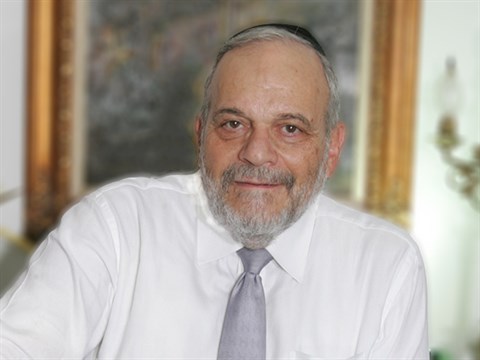








Rabbis in Midrash























Lessons
fast navigation










Various Events FOR WHOM NOT TO VOTE
Rav Zvi Yehuda Kook stressed that Israeli politics is G-dly, so I have no problem answering this common question on a Torani blog. Also, Free-Will is a G-d-given right and obligation, to "destine one's fate" (R. Soloveichik, Kol Dodi Dofek, 67), so I obviously don't tell others how to vote. But once not a few (especially young) have already asked, a couple of personal words from experience and thoughts from chazal & Rav Kook which may be of help to others, mainly for whom NOT to vote.

P'ninat Mishpat Fallout from Failure to Install Elevator – part II
based on ruling 85007 of the Eretz Hemdah-Gazit Rabbinical Courts







