Yeshiva
Beit Midrash
- Torah Portion and Tanach
- D'varim
- V'zot Habracha
- Shabbat and Holidays
- Jewish Holidays
- Simchat Torah and Shmini Atzeret

Every human being is different, and even the greatest amongst us who, on the surface, appears similar, nevertheless, is never identical. One of the great tragedies in human life is when one person feels himself or herself to be a square peg in a round hole - ill fitted for the life one is leading and for the profession or work one is pursuing
Most of us, unfortunately, make some sort of peace with such a situation, and suffer the consequences throughout our productive lives. There are rare individuals who can change course in the midstream of life itself, and pursue their natural abilities and true vision, despite all the obstacles that undoubtedly present themselves.
The import of the blessing of Moshe to the Jewish people, is that each of the tribes, as well as the individuals who make up those tribes, should be true unto themselves. They should accept and follow their mission, both national and personal, that the Lord set out for them by their genetic traits and personal God-given talents. Conformity stifles all creativity, and without creativity there can never be progress in human affairs, whether spiritual or physical.
Moshe loves the Jewish people. He has proven his love for them repeatedly during his 40 years as their leader and mentor. This final Torah reading is his last and perhaps most soaring expression of love for his people. A lesser person would, perhaps, feel pains of remorse and even revenge for the treatment he received during his 40-year career as the leader of the people. He would be justified in feeling unappreciated, and that he, somehow, never received recognition from those that he served so loyally and skillfully for so many decades.
However, that would not conform to the character trait of Moshe, who is the greatest of all human beings. It is about him that the Torah testifies to his natural human ego, i.e. that there never arose such a prophet within the Jewish people before him nor will there arise another one after him. In his great vision of prophecy, Moshe identifies the talents and mission of each of the varying tribes of Israel, and properly assigns to them their appropriate role in building a holy nation and a kingdom of priests. By so doing, he is fulfilling his final and perhaps greatest act of love for his people, by allowing for the diversity and creativity of human beings to function and build a greater and holy society.
Shabbat shalom
Chag Sameach
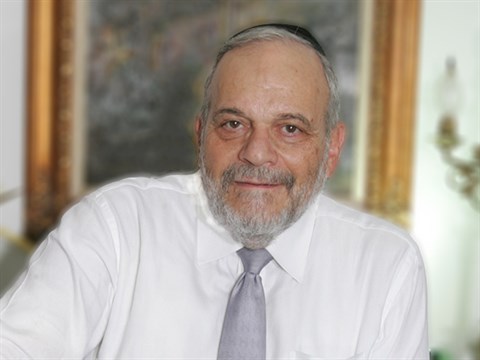
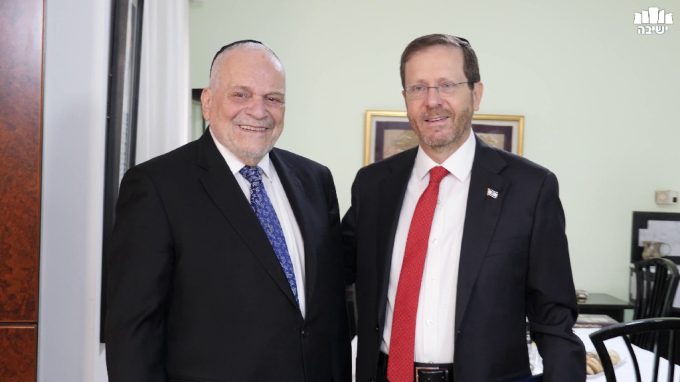
Rabbi Berel Wein







Rabbis in Midrash























Lessons
fast navigation










Various Events FOR WHOM NOT TO VOTE
Rav Zvi Yehuda Kook stressed that Israeli politics is G-dly, so I have no problem answering this common question on a Torani blog. Also, Free-Will is a G-d-given right and obligation, to "destine one's fate" (R. Soloveichik, Kol Dodi Dofek, 67), so I obviously don't tell others how to vote. But once not a few (especially young) have already asked, a couple of personal words from experience and thoughts from chazal & Rav Kook which may be of help to others, mainly for whom NOT to vote.

P'ninat Mishpat Fallout from Failure to Install Elevator – part II
based on ruling 85007 of the Eretz Hemdah-Gazit Rabbinical Courts








