Yeshiva
Beit Midrash
- Jewish Laws and Thoughts
- Personality Development
- Pathways in Personality Development

The Torah study is dedicatedin the memory of
Asher Ben Haim
The sages teach: "And all of them succumb to the 'dust' of slander" (Baba Batra 165a), and from here we can gather that the "dust of slander" (Avak Lashon HaRa) is a very difficult matter to avoid, so much so that nearly all become guilty of it.
What is "the dust of slander"? Dust of slander is not outright slander (Lashon HaRa), i.e., derogatory speech of others; rather, it is vague speech, statements which could be construed as negative. Dust, too, is filth and must be removed if one wishes his soul to be clean and spotless. Certain remarks appear favorable and one would think that they could not possibly fall into the category of slander, Yet, when one looks closer one sees the truth. For example, if a person praises somebody in the presence of the latter's enemies, this too is forbidden, for such speech merely adds jealousy and hatred. All it does is cause damage.
Pathways in Personality Development (52)
Rabbi Zalman Baruch Melamed
17 - 17. Sound Advice
18 - 18. Slander, Defamation, and Tale-bearing
19 - 19. Revenge and Grudge-bearing
Load More
Slander (Lashon HaRa) does not involve lying. Lying about somebody is called defamation of character (Motzi Shem Ra). Slander means making a true yet derogatory statement about another person. An unjustified derogatory remark about another person, even though it is the truth, is forbidden.
And what is the difference between slander and tale-bearing (Rekhilut)? Slander is defined as making a derogatory remark about somebody, while tale-bearing means going to a person who was spoken of in a negative manner and reporting this fact to him, saying, "So-and-so said such-and-such about you." Like a peddler (Rokhel) buying from one person and selling to another, he hears a remark and then goes to tell the person spoken of what was said about him, and this leads to conflict and controversy.
This is exactly the opposite of the trait of Aaron who was a lover of peace and a promoter of peace. Aaron love people and would go from one person to another in order to make peace between them. He would say to each one that the other said good things about him and wants to make peace with him, and in this manner he would draw people together.
Tale-bearers and slanderers, on the other hand, cause tension and controversy. They claim that their intentions are good and that they only wish to warn and reprimand people. They say that this is the reason they tell one person what another says about him, but the ultimate results teach us the true nature of their remarks. If conflict, humiliation, and suffering result, the remarks made were of a forbidden nature and deserving of disdain. If, on the other hand, friendship, happiness and improved relations result, the remarks made were of a permissible nature, and perhaps even constitute the fulfillment of a commandment.
It is impossible to trust a tale-barer. "Tale-bearers reveal secrets," say the sages, and in the same manner they tell you about others, they may well be telling others about you. It is impossible to love them and impossible to trust them. But he who adopts the path of Aaron loves people and people love him.
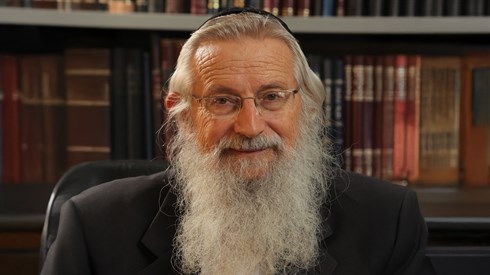






Rabbis in Midrash























Lessons
fast navigation









Hosha'ana Rabba FLYDUBAI & HOSHANA RABBA- ANI VAHU HOSHIA NA- I & HIM SAVE US
"Ani vaHu Hoshia Na", "I and Him, Save Us". We don't just pray to Him, but we also pray to and for ourselves that we should emulate and educate our children to have that instinctive altruism with which He created the world. President Trump seemed amused about Yaniv Hayon, our PLUMBER who confidently worked with G-d like Superman (he learned from a pilot on a TV show!) to save 174 lives on the Dubai hijacking, but we in Israel are totally accustomed already 78 years to our plumbers, teachers, garbage-men, rabbis, farmers & doctors being Hashem's shlichim! This is what Zionism is about.












