Yeshiva
Beit Midrash
- Sections
- Chemdat Yamim
- Parashat Hashavua
- Torah Portion and Tanach
- Bereshit
- Lech Lecha

Today, great darkness, from which we do not see an escape according to the forces of nature, has befallen our people. As we look for miracles, believers ask themselves: "Are we really fit to deserve a miracle?" After all, they know the level of dedication to Hashem that is expected of us and know how far we are from it. Avraham, the great believer, asked in what merit his offspring would be assured to receive that which Hashem had promised he would give them. Since fear of G-d is in the hands of the individual, perhaps they will not deserve to receive the gift. Avraham’s question was not from a lack of belief but from recognition of what is expected of a servant of Hashem.
Hashem’s answer was that Avraham’s descendants would be exiled and afflicted for 400 years and would emerge with great riches (Bereishit 15: 13-14). In other words, when our nation deteriorates, mankind deteriorates even more. The more we want to be like our neighbors in exile, the more they separate themselves from us. The further rival nations’ hatred takes them, the more we are worthy of receiving the Land because of their wickedness relative to us (see Devarim 9:5).
"I will go down with you to Egypt, and I will certainly go up with you" (Bereishit 46:4). When we are in exile, it is as if Hashem is also in exile. We are the weather vanes of humanity; as we are subjugated, spiritual darkness spreads. While we may act up when we are spoiled, we can contemplate when we are subjugated. Granted, our forefathers in Egypt worshipped idols like the Egyptians, but at least we did not use children as bricks. A moral chasm remained between us and them. The lower the nations go, the more they remind us of the different path we should stride on.
When a doctor finds that an unconscious patient has a pulse, he knows his heart is pumping. The heart of our nation is alive; as long as we feel the nation’s pain and seek its unity, there is hope. While many Jews may not keep more mitzvot than the nations do, we are believers, sons of believers (Shabbat 97a). When the gavel bangs and the great call is raised, all will respond.
"They will leave with great riches" – this includes great spiritual riches. They knew what Egypt and its abominations were. They understood that the same Pharaoh who did not recognize Hashem was the one who would not free Israel (see Shemot 5:2).
Avraham’s lack of belief was not in Hashem but in the hidden powers of the People of Israel. That lacking could be overcome only by a cleansing through the painful learning process of oppression. Moshe, upon seeing Jewish shortcomings, accepted the oppression more readily than the merit of the liberation. Hashem taught him that when they would leave Egypt, they would serve Him on Sinai. Hashem assured him that despite their entrenchment in sin, spiritual power would spring forth from the depth of the nation’s soul when properly prompted.





Rabbis in Midrash






















Lessons
fast navigation







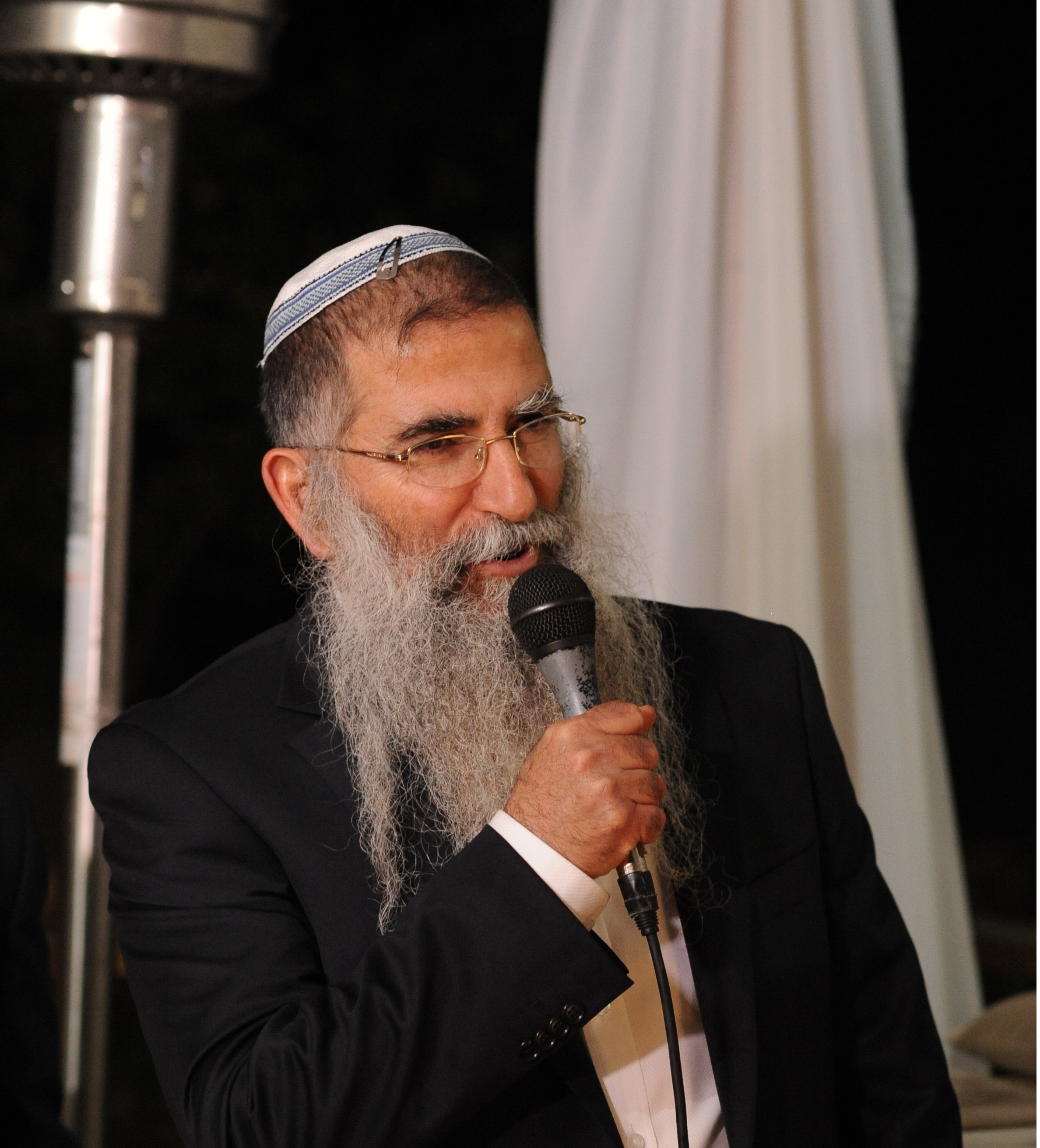


Hosha'ana Rabba FLYDUBAI & HOSHANA RABBA- ANI VAHU HOSHIA NA- I & HIM SAVE US
"Ani vaHu Hoshia Na", "I and Him, Save Us". We don't just pray to Him, but we also pray to and for ourselves that we should emulate and educate our children to have that instinctive altruism with which He created the world. President Trump seemed amused about Yaniv Hayon, our PLUMBER who confidently worked with G-d like Superman (he learned from a pilot on a TV show!) to save 174 lives on the Dubai hijacking, but we in Israel are totally accustomed already 78 years to our plumbers, teachers, garbage-men, rabbis, farmers & doctors being Hashem's shlichim! This is what Zionism is about.













