Yeshiva
Beit Midrash
- Torah Portion and Tanach
- Bereshit
- Vayishlach

The Torah study is dedicatedin the memory of
Simcha bat Chana
Yet a closer examination of the words of the Torah indicates that Yaakov intended to employ all three options simultaneously. Yaakov’s gift to Eisav, large and generous as it was, would be unsuccessful in deterring Eisav. Eisav’s appetite would only be whetted for greater spoils. He would certainly misread Yaakov’s generosity towards him as a sign of weakness and timidity and therefore become more determined to destroy Yaakov and now believe that he could so easily. Yaakov is aware of the inherent weakness of the policy of appeasement of Eisav alone. He must therefore convince Eisav that he is not a pacifist at all costs. Eisav must see him as being prepared to wage war successfully and tellingly. Only when Eisav realizes Yaakov’s warlike abilities will he see the gifts given to him in their true light – not as tokens of weakness but simply a method of accommodation of two different cultures and societies. And Yaakov also invokes prayer as a weapon in this struggle and informs Eisav of its presence in his arsenal of defending himself against Eisav’s evil intent. Prayer is the explanation to Eisav how Yaakov successfully survived the house of Lavan and against all odds emerged whole, mighty and wealthy from that twenty year ordeal. Yaakov in essence informs Eisav: "Don’t disregard God’s presence and will in the equation of our struggle."
Yaakov is the prototype of all later struggles of the Jewish people and is especially relevant to our current world and its attendant problems. The Jewish people have always given large gifts to our enemies to dissuade them from violence and hatred. Most of the time the world looked at these gifts as signs of Jewish weakness, which in fact was what they really were. Our prayers were mocked at and the world never believed that God was on our side no matter how miraculous and patently obvious our powers of resilience and survival were. And the world also never believed that the Jews would be able to successfully defend themselves and their country. Jews were supposed to be bankers, musicians and peddlers but not soldiers or warriors. This latter fallacy has been amply corrected by the Israel Defense Forces over the past close to seventy years. Nevertheless our gifts and compromises offered are still evidently misinterpreted as being signs of weakness. There is a blindness that envelops our foes that does not allow them to see us in true reality void of all stereotyping and preconceived beliefs. It is viewed as an insult to their faith that the Jews should somehow be entitled to belief in their God and observance of their ancient traditions. Therefore until our foes also recognize our three pronged answer to their threats as being legitimate and strong we are reduced to following the maxim of Theodore Roosevelt: "Speak softly and carry a big stick."
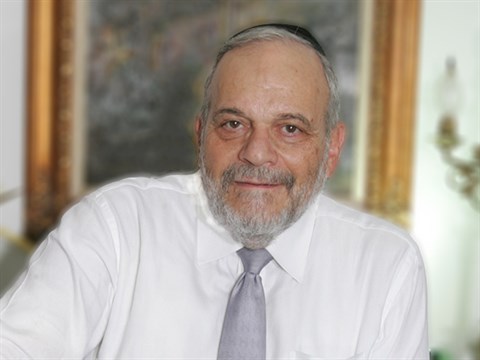





Rabbis in Midrash























Lessons
fast navigation










Various Events FOR WHOM NOT TO VOTE
Rav Zvi Yehuda Kook stressed that Israeli politics is G-dly, so I have no problem answering this common question on a Torani blog. Also, Free-Will is a G-d-given right and obligation, to "destine one's fate" (R. Soloveichik, Kol Dodi Dofek, 67), so I obviously don't tell others how to vote. But once not a few (especially young) have already asked, a couple of personal words from experience and thoughts from chazal & Rav Kook which may be of help to others, mainly for whom NOT to vote.

P'ninat Mishpat Fallout from Failure to Install Elevator – part II
based on ruling 85007 of the Eretz Hemdah-Gazit Rabbinical Courts









