Yeshiva
Beit Midrash
- Sections
- Chemdat Yamim
- Ein Ayah

Fortunate is he who ... grew with a good name and expired from this world with a good name.
Ein Ayah: The point of having a name is not for the sake of the person himself. After all, a person does not need to use his name in relation to himself. Rather, it is necessary for him to have a name so that others can use it to refer to him. We learn from the story of Iyov as well [the gemara’s statement was said at a siyum on Sefer Iyov] that every person of a high moral standing is obligated not only to reach personal shleimut (completeness) but must involve himself in the shleimut of others. This involvement in others’ self improvement is the matter of a good name.
The impact one has on others can grow increasingly greater as the generations progress. Sometimes the words of a wise man are not accepted by the people of his generation, as they may not recognize his greatness or delve into his words as they might have. Therefore, his ideas are not able to have their full potential impact on people’s shleimut in his lifetime. Rather, in future generations, when the jealousy and the over-familiarity, which blind the eye, subside, then his words will become clear and many will follow his light.
This is what Shlomo said in his wisdom: "A name is better than good oil" (Kohelet 7:1). Good oil is a reference to those who are anointed, which means that their generation agreed to accept their leadership. Sometimes, those leaders have an impact only on their generation and in their lifetime. However, for the wise man, whose main contribution is to bring shleimut to the masses, the day of death is greater than the day he was born. That is because after his death, his light can shine brightest, as his good ideas, which he left for future generations, either in his writings or by means of the students whom he "nursed from the breasts" of his wisdom, are absorbed by others.
Dedication to Advance
(based on Berachot 2: 54-55)
Gemara:
Make a firm decision with all of your heart and soul to know My ways and to remain diligently by My doorways on a daily basis.
Ein Ayah: This comes to exclude the opinions of those who say that knowledge of the ways of Hashem comes specifically by analyzing that which exists without trying to purify their actions to go in the way of Hashem. That is why it says that to know Hashem, one should make a decision with all of his heart and soul toward that end. One will not succeed in knowing Hashem's way without making a clear decision in his heart to fulfill all of the matters of morals and ethics that emanate from one's philosophical inquiries.
Diligence (sh'kida) is a sign of consistency. The idea behind being constantly by Hashem's doorway is related to what the Rambam said (introduction to Moreh Nevuchim). Sometimes a person will have a brilliant intellectual insight that will light the way of one who seeks truth, while most of the time he walks in intellectual darkness. Therefore, it pays that he should always be by the doorway, for the door is that which closes off the otherwise exposed area. A person should try to understand even if there is a closed door in between him and understanding. If he does this every day, then he will merit that at certain times the door will open for a moment, and he will see precious light.

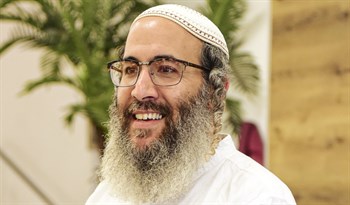




Rabbis in Midrash























Lessons
fast navigation




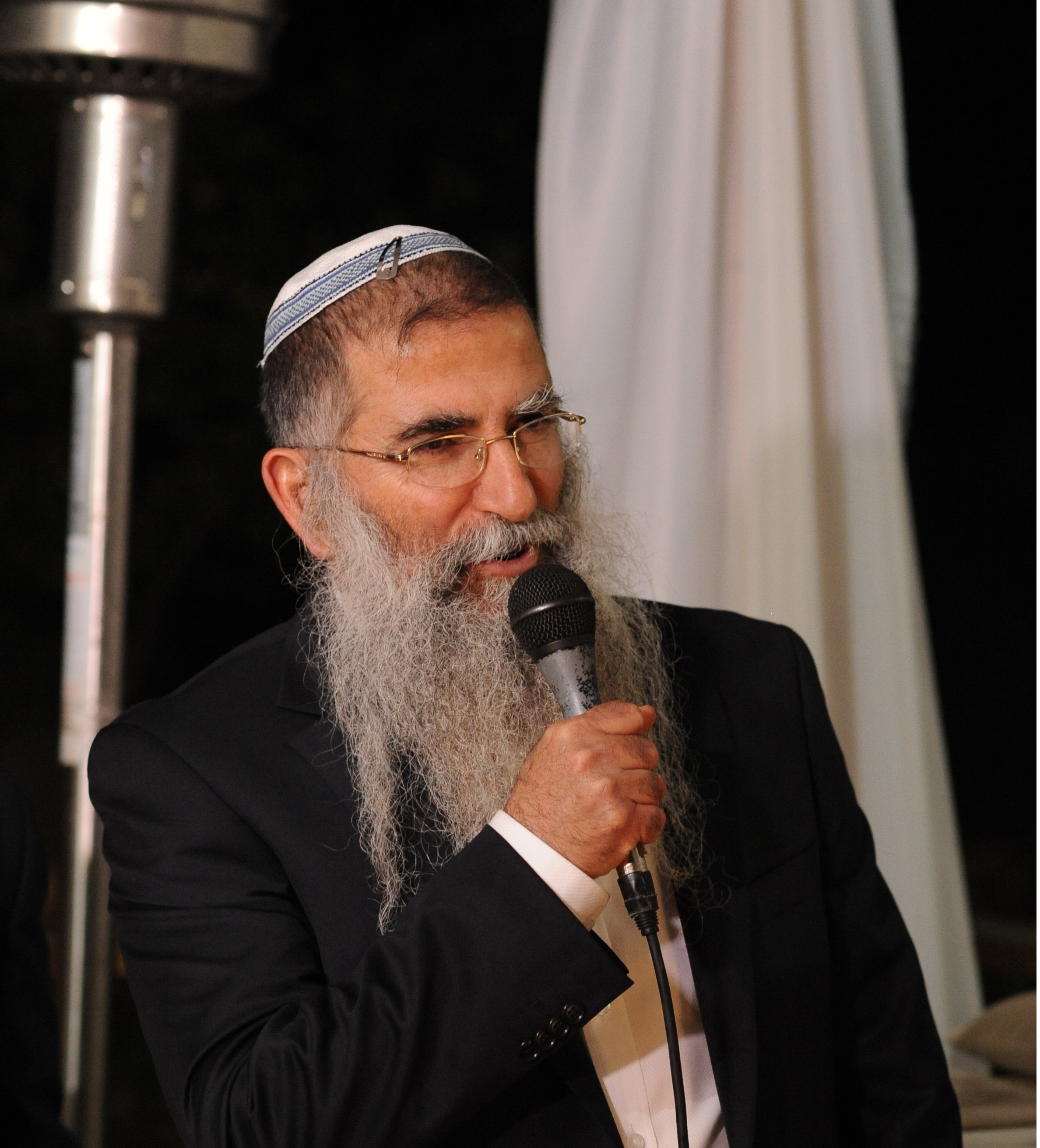






Hosha'ana Rabba FLYDUBAI & HOSHANA RABBA- ANI VAHU HOSHIA NA- I & HIM SAVE US
"Ani vaHu Hoshia Na", "I and Him, Save Us". We don't just pray to Him, but we also pray to and for ourselves that we should emulate and educate our children to have that instinctive altruism with which He created the world. President Trump seemed amused about Yaniv Hayon, our PLUMBER who confidently worked with G-d like Superman (he learned from a pilot on a TV show!) to save 174 lives on the Dubai hijacking, but we in Israel are totally accustomed already 78 years to our plumbers, teachers, garbage-men, rabbis, farmers & doctors being Hashem's shlichim! This is what Zionism is about.











