Yeshiva
Beit Midrash
- Torah Portion and Tanach
- Bereshit
- Vayera
- Sections
- Chemdat Yamim
- Parashat Hashavua

The Rashbam says that the miracles for Avraham motivated Avimelech. However, one can also identify a political purpose. The previous story tells about Avraham sending away Hagar (the daughter of Paroh) and Yishmael. This certainly cooled relations between Avraham and the Egyptians. The Plishtim, rivals of the Egyptians for the international route through their land, grabbed the opportunity to strengthen their ties with Avraham. As a result, Avraham advanced his monotheism movement in the south of Israel.
Despite the accomplishment, the Rashbam strongly criticizes Avraham. He made a peace treaty with his descendants’ future enemies, thus delaying his descendants’ ability to take over the Land when the time came. Therefore, Hashem made things difficult for Avraham (the akeida). The Rashbam strengthens his thesis with a midrash. The seven months that the aron was under Plishti control, the seven wars in which the Plishtim defeated the Jews, and the seven tzaddikim who thereby died correspond to the seven sheep that Avraham presented to Avimelech during their treaty. These were terrible consequences for Avraham’s descendants from a deal that, despite containing important religious achievements, was improper.
The Ramban, though, viewed this episode positively, as an example of Israelite relations with kings that allow the former to stay in their Land. How can the Ramban answer the Rashbam’s arguments? We have shown elsewhere that the Ramban made the following assumption that is supported by modern archeological discovery. The Plishtim of the patriarchs’ time were not the nation who later fought with Israel as they settled the Land after leaving Egypt. The former Plishtim were descendants of Cham; the latter were Kaftorim who came from the area of Cretes and conquered the coastal planes of the Negev and inward. This approach is supported by a gemara (Chulin 60b), which says that after Avraham made an agreement with Avimelech, Hashem had the Kaftorim conquer and pave the way for Israel to eventually take over the Land. If so, there was no contradiction between what Avraham promised and what Yehoshua had to carry out.
Let us pray that Hashem will lead the hearts and actions of our leaders, who are involved in international negotiations, to avoid agreements that contradict our mitzva to control the Land, as the famous passage of the Ramban confirms we are obligated to do.



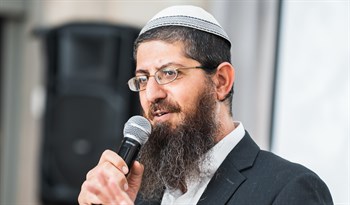




Rabbis in Midrash























Lessons
fast navigation











Hosha'ana Rabba FLYDUBAI & HOSHANA RABBA- ANI VAHU HOSHIA NA- I & HIM SAVE US
"Ani vaHu Hoshia Na", "I and Him, Save Us". We don't just pray to Him, but we also pray to and for ourselves that we should emulate and educate our children to have that instinctive altruism with which He created the world. President Trump seemed amused about Yaniv Hayon, our PLUMBER who confidently worked with G-d like Superman (he learned from a pilot on a TV show!) to save 174 lives on the Dubai hijacking, but we in Israel are totally accustomed already 78 years to our plumbers, teachers, garbage-men, rabbis, farmers & doctors being Hashem's shlichim! This is what Zionism is about.
Moreshet Shaul Hashem Is your Shadow – part I
Based on Siach Shaul, Pirkei Machshava V’Hadracha p. 420 – an address from 1941










