Yeshiva
Beit Midrash
- Shabbat and Holidays
- Jewish Holidays
- IDF Memorial Day

Jewish tradition has developed a system of memory and remembrance for its martyrs and heroes. It is understated and without the requirement of speeches. It encourages inner analysis and improvmernt, thoughgt and understanding. It emphasizes the fragility of life and the uncertainty of seeming security. It highlights the interdependence of Jews one upon another. It does not unduly glorify the art of war but it does not shirk from realizing its omnipresence and effects in Jewish history. Judaism remembers people, admires sacrifice and cherishes life. Our time allows for the first time in millennia the ability to defend itself against vicious enemies. Throughout the long exile of Israel only in rare instances were Jews anything but defenseless martyrs. So therefore Jews had no choice but to have a muted memorial day and service. And this muted reesponse governed Jewish remembrance ceremonies. This dovetailed exactly with the above described concepts of Jewish traditional mourning and memory. So even today when we are blesesd with a courageous and successful army that gives us an ability to defend ourselves from our enemies the day of remembrance for our fallen soldiers is much more serious, somber and perhaps meaningful fashion. I see the gradual disappearance of military parades here in Israel on special national days as also a return to a more trdational way of marking special days of remembrance and commemmoration.
In personal and private life as well, days of remembrance have special meaning and in Jewish tradition even special ritual and ceremony. Yahrzeits and days of zikaron are commemmorated with a memorial candle, the recitation of kaddish, the granting of charity to the needy, words of Torah knowledge and faith and reminscnces of the departed anf faith in the life and afterlife of the soul of the departed. In a strnge way, the day of remembrance is meant to be day of closure and even comfort and not one of scraping open old and painful wounds and memories. There is no hiding from the loss of a beloved one but the Torah demands that we progress and raise ourselves even from personal tragedy and sadness. Memorial days are hard but they are necessary and proper. Memory is meant to encourage positive action and meaningful behavior in life. Remembrance is a serious matter. So are days of memory and tradition. We should treasure such opportunities.

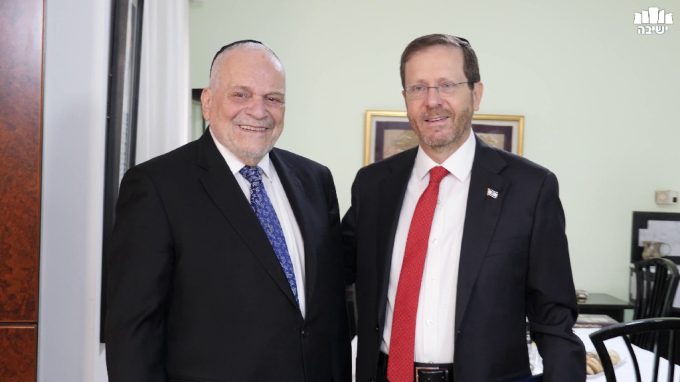







Rabbis in Midrash























Lessons
fast navigation










Hosha'ana Rabba FLYDUBAI & HOSHANA RABBA- ANI VAHU HOSHIA NA- I & HIM SAVE US
"Ani vaHu Hoshia Na", "I and Him, Save Us". We don't just pray to Him, but we also pray to and for ourselves that we should emulate and educate our children to have that instinctive altruism with which He created the world. President Trump seemed amused about Yaniv Hayon, our PLUMBER who confidently worked with G-d like Superman (he learned from a pilot on a TV show!) to save 174 lives on the Dubai hijacking, but we in Israel are totally accustomed already 78 years to our plumbers, teachers, garbage-men, rabbis, farmers & doctors being Hashem's shlichim! This is what Zionism is about.











