Yeshiva
Beit Midrash
- Torah Portion and Tanach
- Shmot
- Terumah

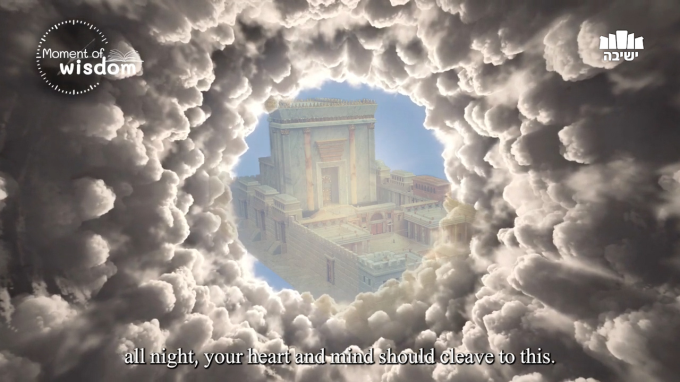
The Rabbis instituted that the haftara that would be read on this Shabbat is the section that describes the preparations for the building of the Beit Hamikdash, as carried out under the reign of Shlomo Hamelech. While there is a strong, straightforward parallelism between the themes of the Torah reading and of the haftara, there is also the following notable contrast. Regarding Shlomo’s efforts, the term mas (tax) is mentioned three times (Melachim I, 5: 27-30). The navi also uses the word sabal in referring to the process of carrying loads and the term rodim for the overseers of the work who enforced the discipline. Mas certainly implies an element of being forced. This is particularly poignant when used in reference to the labor needs, which required tens of thousands of men to be away from their homes and jobs for periods of up to four months a year. The other two terms are throwbacks to the descriptions of the enslavement of our forefathers in Egyptian bondage. See the term sivlotam in Shemot 1:11, in close proximity to perech. When the Torah warns us not to enslave our brethren in an unacceptable manner, it refers to the root of radoh alongside perech as the phenomenon to avoid (Vayikra 25: 43-53).
The severity of Shlomo’s harsh measures to "get the job done," while disappearing from the text of the navi throughout the time of his rule, surfaces prominently as his son, Rechavam, succeeded him. The people appealed to the new king to lighten their load, saying: "Your father made the yoke upon us heavy. Now, you lighten from your father’s hard work upon us and from his heavy yoke that he placed upon us, and we shall serve you" (ibid. 12:4). Rechavam’s older advisors recommended that he accept the people’s offer, thereby attaining their support. In contrast, the younger advisors told the new king that he had to teach the people who was boss. He should tell them: "My father tormented you with whips; I will torment you with scorpions (ibid.:11). Rechavam’s acceptance of the latter’s advice paved the way for the split of the nation into two kingdoms, in the first stage, and, ultimately, to the destruction of the Beit Hamikdash. As the navi described it: "Israel rebelled against the House of David until this day" (ibid. :19). Indeed the tear has yet to be mended.
Let us hope that we will learn the lesson that a Temple and spirituality, in general, must be built in an atmosphere of good will and voluntarism. A regime cannot embark on national projects and accommodate the needs of the people through the use of whips and scorpions.





Rabbis in Midrash























Lessons
fast navigation











Various Events FOR WHOM NOT TO VOTE
Rav Zvi Yehuda Kook stressed that Israeli politics is G-dly, so I have no problem answering this common question on a Torani blog. Also, Free-Will is a G-d-given right and obligation, to "destine one's fate" (R. Soloveichik, Kol Dodi Dofek, 67), so I obviously don't tell others how to vote. But once not a few (especially young) have already asked, a couple of personal words from experience and thoughts from chazal & Rav Kook which may be of help to others, mainly for whom NOT to vote.

P'ninat Mishpat Fallout from Failure to Install Elevator – part II
based on ruling 85007 of the Eretz Hemdah-Gazit Rabbinical Courts








