Yeshiva
Beit Midrash
- Sections
- The Life of Tzaddikim
- Rabbi Mordechai Eliyahu
- Shabbat and Holidays
- Shavuot
- Articles about Shavuot

As soon as he entered the synagogue where the class was to be held, he noticed two men arguing amongst themselves as to whether one should eat meat or dairy dishes on the night of Shavuot. The argument had already turned into a personal affair between the two of them, accompanied by raised voices and heated claims thrown one against the other.
The fiery row paused as soon as they heard the sound of Rabbi Eliyahu’s car approaching, and they thought to themselves to ask Rabbi Eliyahu’s opinion on the matter as soon as he entered the synagogue. The Rav entered and began the class, and without any connection to the subject of the class, one of the antagonists asked what should be eaten at the meal on the night of Shavuot - meat or dairy. His partner in the argument interrupted his speech and said his say, and it was clear that there were here two antagonists that were only staying calm out of respect for the Rav.
The Rav listened to their question with all seriousness and answered that there was a difference of opinion on the subject amongst the rabbis. On the one side there is value in eating meat, as it shows respect for the festival, and it’s written that there is no joy without meat and wine. And from the other side, there is value in eating dairy foods, as a remembrance of the two breads from the Temple and other reasons.
The two sides refused to give in and each was determined to prove they were right. They asked, "What does the Rav eat on the night on Shavuot?"
Indeed, we were all curious to know how the Rav would get out of the trap that was laid before him. With a smiling face, he answered, "What my wife cooks, I eat!"

Rabbi Mordechai Eliyahu Controlling Flights, Directing Journeys
stories from 'Father of Israel' in English
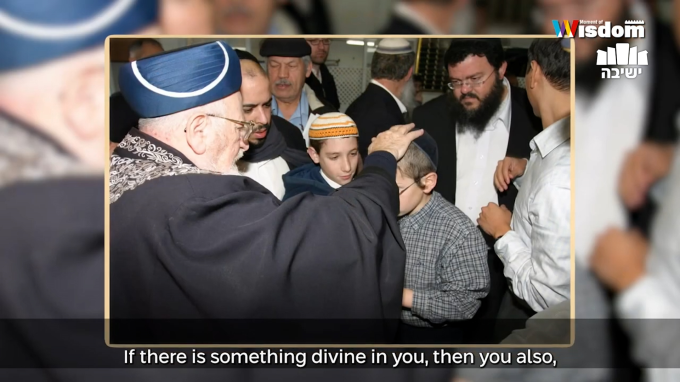





Rabbis in Midrash






















Lessons
fast navigation











Various Events FOR WHOM NOT TO VOTE
Rav Zvi Yehuda Kook stressed that Israeli politics is G-dly, so I have no problem answering this common question on a Torani blog. Also, Free-Will is a G-d-given right and obligation, to "destine one's fate" (R. Soloveichik, Kol Dodi Dofek, 67), so I obviously don't tell others how to vote. But once not a few (especially young) have already asked, a couple of personal words from experience and thoughts from chazal & Rav Kook which may be of help to others, mainly for whom NOT to vote.
P'ninat Mishpat Fallout from Failure to Install Elevator – part II
based on ruling 85007 of the Eretz Hemdah-Gazit Rabbinical Courts









