Yeshiva
Beit Midrash
- Shabbat and Holidays
- Purim & The Month of Adar
- The Laws of Purim
- Sections
- Peninei Halakha

Individuals in both of these states may recite Birkhot Ha-nehenin. Even though, le-khatĥila, a drunk person should not recite berakhot, he may recite berakhot that must be recited at a specific point in time. Therefore, on Purim, a drunk person may recite all Birkhot Ha-nehenin, Birkat Ha-mazon, and Asher Yatzar.
The law regarding prayer is more stringent. One who is tipsy or drunk after finishing the meal must wait to pray Ma’ariv until he is sober and able to pray with a clear mind. If doing so will cause him to miss praying with a minyan, then if he is merely tipsy, he should pray – from a siddur – with the minyan, because the prayer of a tipsy person is acceptable, be-di’avad. If, however, he is truly drunk, he should not pray with the minyan, because the prayer of a drunk person is invalid and considered an abomination.
If one feels very tired, and there is concern that he will fall asleep and miss praying entirely if he does not pray immediately, the law is as follows. One who is merely tipsy should recite the entire prayer, but one who is drunk should read the Shema without its accompanying berakhot and skip the Amida. This way, he at least discharges his Torah obligation to read the Shema. Furthermore, even if he is overcome by sleep before he manages to pray, he is not viewed as having sinned, because he became drunk for the sake of heaven, and one who is engaged in performing a mitzva is exempt from performing another mitzva. In such a case, he should make up the prayer he missed the next morning by reciting an additional Amida prayer after the Amida for Shaĥarit.
It seems that if one is unsure whether he is considered tipsy or drunk, he may be lenient on Purim and recite the Amida, since on Purim even the king accepts the drunkards with good spirits, because that is the mitzva of the day. 17
^ 17.See SA and Rema §99, and MB ad loc., regarding tipsiness and drunkenness. Also see Peninei Halakha: Prayer 5:11 regarding the same issue, and ibid. 18:8-10 regarding the laws of making up missed prayers.
The allowance for an intoxicated person to pray when time is running out is explained in Yam shel Shlomo, quoted in MB 99:3, 17. Rema rules leniently as well regarding one who drank a revi’it of wine, either because today’s wines are weaker than those of the past or because today we use siddurim when we pray. In my humble opinion, one may certainly be lenient on Purim regarding this issue, because becoming intoxicated is part of the mitzva of the day.
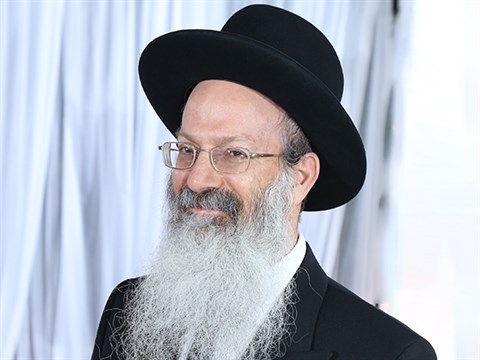
Rabbi Eliezer Melamed
Rosh Yeshiva of Har Bracha and rabbi of the settlement.

Peninei Halakha 18. Torah Verses in the Prayers and in the Berakha of She-asa Li Kol Tzorki
Chapter 10: The Laws of Tisha Be-Av
The Laws of Purim 4. Traveling between Walled and Unwalled Cities
Chapter 17: Walled and Unwalled Cities
The Laws of Purim 15. Scheduling the Se’uda when Purim is on Friday
Chapter 16: The Mitzvot of Joy and Kindness







Rabbis in Midrash






















Lessons
fast navigation










Various Events FOR WHOM NOT TO VOTE
Rav Zvi Yehuda Kook stressed that Israeli politics is G-dly, so I have no problem answering this common question on a Torani blog. Also, Free-Will is a G-d-given right and obligation, to "destine one's fate" (R. Soloveichik, Kol Dodi Dofek, 67), so I obviously don't tell others how to vote. But once not a few (especially young) have already asked, a couple of personal words from experience and thoughts from chazal & Rav Kook which may be of help to others, mainly for whom NOT to vote.

P'ninat Mishpat Fallout from Failure to Install Elevator – part II
based on ruling 85007 of the Eretz Hemdah-Gazit Rabbinical Courts







