Yeshiva
Beit Midrash
- Shabbat and Holidays
- Purim & The Month of Adar
- The Laws of Purim
- Sections
- Peninei Halakha

The mitzva to rejoice on Purim is quite unique, as it finds expression even in the physical aspects of life. Just as Haman’s decree targeted our soul and body alike, so too our joy over our salvation should be both spiritual and physical. Therefore, in addition to the mitzva of reading the Megilla, which gives expression to man’s spiritual side, there is a mitzva to prepare a festive and joyous meal (se’uda). During this meal, an emphasis is placed on drinking wine to the point where one loses his mental capacity to a certain degree. This expresses the notion that the Jewish people are holy and that even in a state of diminished mental capacity, they remain connected and close to God.
This joy must be accompanied by a heightened sense of love and unity among Jews. This is true joy, as it expresses a broadening of life and its spread through the love of all people. However, one who eats and drinks for their own sake is considered narrow and limited, preoccupied only with gratifying his own desires; such a person will never attain genuine joy. Thus, we are commanded to send gifts of food, mishlo’aĥ manot, to one another.
We should not content ourselves with increasing love among friends; rather, we must also care about the destitute, who are unable to rejoice fully. Therefore, we are commanded to give gifts to the poor, matanot la-evyonim, so that they too can take part in the joy of Purim. Anyone who disregards the pain of the destitute – even if he thinks that he is enjoying himself with his friends – is in reality engaged in debauchery, ignoring the realities of life. He flees thoughts about the suffering in this world so that he can have some fleeting happiness. But the harsh reality will not disappear when he drinks wine and becomes intoxicated. Therefore, deep down, he knows that he does not deserve to be happy, and he will remain miserable. However, if one makes sure to bring joy to the poor and unfortunate, his life has value, and he can truly and rightfully rejoice. This is why we were commanded to give gifts to the poor on Purim.
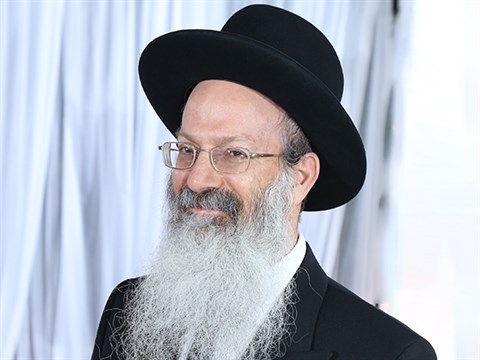
Rabbi Eliezer Melamed
Rosh Yeshiva of Har Bracha and rabbi of the settlement.

Peninei Halakha 18. Torah Verses in the Prayers and in the Berakha of She-asa Li Kol Tzorki
Chapter 10: The Laws of Tisha Be-Av





Rabbis in Midrash






















Lessons
fast navigation









Various Events FOR WHOM NOT TO VOTE
Rav Zvi Yehuda Kook stressed that Israeli politics is G-dly, so I have no problem answering this common question on a Torani blog. Also, Free-Will is a G-d-given right and obligation, to "destine one's fate" (R. Soloveichik, Kol Dodi Dofek, 67), so I obviously don't tell others how to vote. But once not a few (especially young) have already asked, a couple of personal words from experience and thoughts from chazal & Rav Kook which may be of help to others, mainly for whom NOT to vote.

P'ninat Mishpat Fallout from Failure to Install Elevator – part II
based on ruling 85007 of the Eretz Hemdah-Gazit Rabbinical Courts









