Yeshiva
Beit Midrash
- Shabbat and Holidays
- Laws of Hanukkah
- Peninei Halkha - Hanukkah
- Sections
- Peninei Halakha

In practice, one who wishes to rely on the opinion that one may light with a berakha may do so. If the guests at the event include non-observant Jews, who may not have lit candles at home, it is especially important to light with a berakha, because only then will everyone stand up – to hear the berakhot – causing the miracle to be publicized in front of their eyes. They will also learn how to fulfill the mitzva properly. If possible, it is preferable to ask someone who is unaccustomed to performing mitzvot to recite the berakhot and light the candles. This way, it will become clear that the mitzvot belong to the entire Jewish people, observant Jews and non-observant Jews alike. 18
^ 18.Those who maintain that one may not recite the berakhot include: Minĥat Yitzĥak 6:65; Tzitz Eliezer 15:30; Divrei Yatziv, OĤ 286; Shevet Ha-Levi 4:65; R. Shlomo Zalman Auerbach; and R. Yosef Shalom Elyashiv. On the other hand, R. Mordechai Eliyahu permits reciting the berakhot, on condition that they pray Ma’ariv there, and R. Shaul Yisraeli permits it even if they do not pray Ma’ariv there (Mikra’ei Kodesh [Harari] ch. 10, n. 24). Yabi’a Omer 7:57:6 concurs, adding that R. Yaakov Rosenthal also concurs in Mishnat Yaakov. Az Nidberu 5:37, 6:75 rules that one should recite a berakha when the lighting takes place outdoors.
The reason I wrote in the main text that it is preferable to ask a non-observant Jew to light the candles is that even if the halakha follows the more stringent opinion, we can view his berakha as educational, similar to our practice of training minors to recite berakhot.
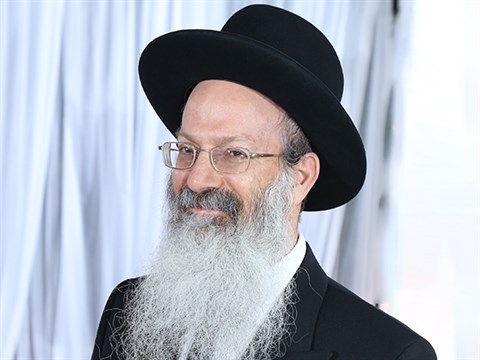
Rabbi Eliezer Melamed
Rosh Yeshiva of Har Bracha and rabbi of the settlement.

Peninei Halakha 18. Torah Verses in the Prayers and in the Berakha of She-asa Li Kol Tzorki
Chapter 10: The Laws of Tisha Be-Av






Rabbis in Midrash






















Lessons
fast navigation











Various Events FOR WHOM NOT TO VOTE
Rav Zvi Yehuda Kook stressed that Israeli politics is G-dly, so I have no problem answering this common question on a Torani blog. Also, Free-Will is a G-d-given right and obligation, to "destine one's fate" (R. Soloveichik, Kol Dodi Dofek, 67), so I obviously don't tell others how to vote. But once not a few (especially young) have already asked, a couple of personal words from experience and thoughts from chazal & Rav Kook which may be of help to others, mainly for whom NOT to vote.

P'ninat Mishpat Fallout from Failure to Install Elevator – part II
based on ruling 85007 of the Eretz Hemdah-Gazit Rabbinical Courts









