Yeshiva
Beit Midrash
- Torah Portion and Tanach
- Bereshit
- Lech Lecha

There is a fascinating common denominator at work here. In our Parsha, Avraham makes a decision to part ways with his nephew Lot. Now, Lot was never a candidate for tzadik-of-the-year, but Avraham was committed to caring for him. So what was it that suddenly made Avraham decide to split with Lot? As part of his strong sense of honesty & integrity, Avraham muzzled his animals as they passed through other's fields. But Lot's shepherds did not. When questioned why not, they had a ready rationalization from Lot: "G-d promised this land to Avraham & his family, and I am his rightful heir. So technically, I'm at least part owner of whatever grows here. Thus I'm really only taking that which is destined to be mine!"
Avraham thought long & hard about this: He could accept lapses of honesty & the occasional misdeed - after all, no one is perfect. But when that shadiness is wrapped in a cloak of fair play, it turns justice on its head & is simply too devious, too dangerous to be around. And so Avraham reluctantly decides he cannot share a community with these people. He parts from Lot, who ultimately will lose all of his ill-gotten wealth.
This devotion to moral correctness may have been a legacy left to Avraham by Noach. For Noach confronted this very same malicious mentality in his own day. The generation of the Flood thought they had it figured out: If they steal just a little bit at a time, in amounts too small to be prosecuted, they could get away scot-free with their theft! But it was precisely this combination of crime and cleverness which Hashem despises, and so He decided that such a generation must be replaced.
The lesson for us is that while you may be able to outwit the law, you can never outsmart the Lawgiver. Pay up now - or youll surely pay up later.





Rabbis in Midrash























Lessons
fast navigation






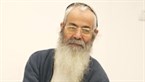




Hosha'ana Rabba FLYDUBAI & HOSHANA RABBA- ANI VAHU HOSHIA NA- I & HIM SAVE US
"Ani vaHu Hoshia Na", "I and Him, Save Us". We don't just pray to Him, but we also pray to and for ourselves that we should emulate and educate our children to have that instinctive altruism with which He created the world. President Trump seemed amused about Yaniv Hayon, our PLUMBER who confidently worked with G-d like Superman (he learned from a pilot on a TV show!) to save 174 lives on the Dubai hijacking, but we in Israel are totally accustomed already 78 years to our plumbers, teachers, garbage-men, rabbis, farmers & doctors being Hashem's shlichim! This is what Zionism is about.












