Yeshiva
Beit Midrash
- Torah Portion and Tanach
- Vayikra
- Emor

The Torah study is dedicatedin the memory of
Yaakov Ben Behora
Rashi explains that the first introduction instructs beit din to make leap years when necessary, and the second one refers to beginning new months on the right day. Both help determine when festivals take place. Shabbat is mentioned to compare the observance of the festivals to that of Shabbat. The Kli Yakar explains based on Rashi’s rule that whatever is mentioned first in the pasuk pushes off that which is mentioned second when the two conflict. The festivals are mentioned both before and after Shabbat to tell us that sometimes one has precedence and sometimes the other. Witnesses can push off Shabbat to come to testify about setting the calendar, but beit din cannot send emissaries to inform the world of their decision on Shabbat. This explains the p’sukim well, as the first pasuk addresses Bnei Yisrael (the witnesses), whereas the latter pasuk addresses beit din.
Rashi explains the mention of Bnei Yisrael in a way that is important even in our era when beit din no longer sets the calendar. He explains that we are to set the festivals so that it will be possible for Jews to celebrate the festivals in Yerushalayim, such as those who embarked on the journey but appear unable to make it on time. What principle does this teach us? There are two types of reasons for making a leap year. One is so that the festivals will come out at the time of year that Hashem instructed. The other is to solve problems that can prevent portions of the nation from properly taking part in them. It then appears that the first mention of setting the calendar, mentioning "Bnei Yisrael," refers to the needs of the people and the second one, which talks of "at their appointed time," refers to the objective, seasonal considerations. Since we saw the approach of Rashi and the Kli Yakar that the needs described in the first pasuk are worthy of pushing off Shabbat observance, under the right circumstances, it follows that certain national needs have a special status regarding what is permitted on Shabbat.
The field of determining when and how national institutions, such as the police and armed forces can function on Shabbat was one pioneered by our mentor, Hagaon Harav Shaul Yisraeli. One of his guiding principles was that when halacha allows for pushing aside the normal laws of Shabbat for a crucial, national need, such activity should be done preferably by observant Jews, without searching for solutions of a "Shabbos goy."







Rabbis in Midrash























Lessons
fast navigation






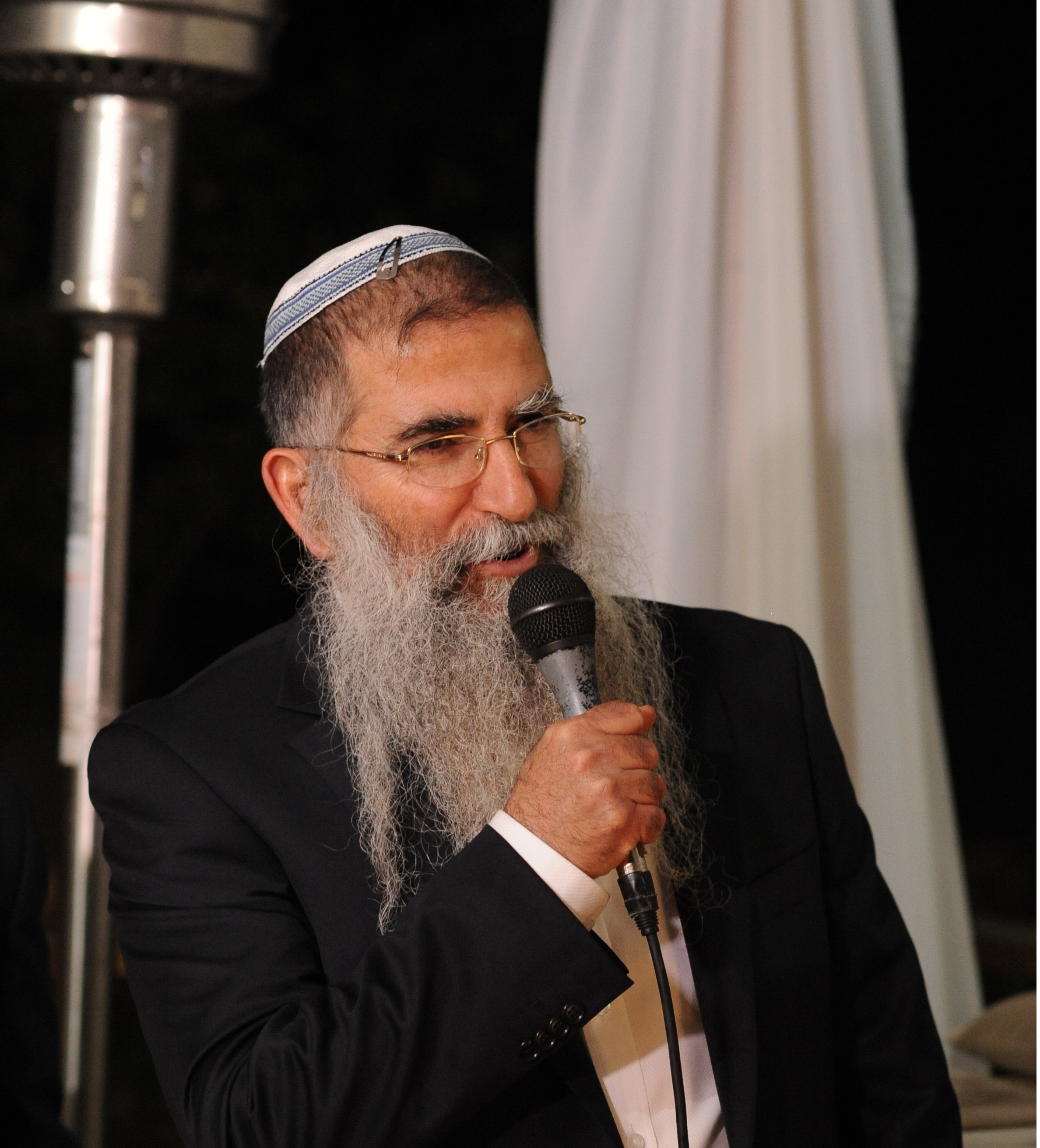



Hosha'ana Rabba FLYDUBAI & HOSHANA RABBA- ANI VAHU HOSHIA NA- I & HIM SAVE US
"Ani vaHu Hoshia Na", "I and Him, Save Us". We don't just pray to Him, but we also pray to and for ourselves that we should emulate and educate our children to have that instinctive altruism with which He created the world. President Trump seemed amused about Yaniv Hayon, our PLUMBER who confidently worked with G-d like Superman (he learned from a pilot on a TV show!) to save 174 lives on the Dubai hijacking, but we in Israel are totally accustomed already 78 years to our plumbers, teachers, garbage-men, rabbis, farmers & doctors being Hashem's shlichim! This is what Zionism is about.
Moreshet Shaul Hashem Is your Shadow – part I
Based on Siach Shaul, Pirkei Machshava V’Hadracha p. 420 – an address from 1941









