Yeshiva
Beit Midrash
- Torah Portion and Tanach
- Bereshit
- Vayechi

There are general lessons about Jewish life that can certainly be gleaned from the Torah narrative of Bereshith. And perhaps this idea of general lessons is one of the reasons why the Torah invests so many words and descriptions in this eternal book. One lesson is that Jewish life is not an easy one. Being a small minority and yet preserving unique identity is no easy task. The struggle of our ancestors to do so is therefore clearly delineated for us. Another life lesson is that there are no guarantees in life especially as regarding children. Yishmael and Esau are prime examples of this disturbing truth. Another lesson is that in the absence of tolerance for the differences in personalities and outlooks that will always be part of Jewish life and society terrible things can happen to the Jewish people as a whole. Witness the narrative regarding Yosef and his brothers. A further lesson is that others will always threaten Jewish survival, often by violence and murderous intent. Nimrod, Abimelech, Pharaoh, Lavan, Shechem, Esau are but a few that illustrate this point. All of our ancestors were forced to face up to enmity, jealousy and the duplicity of others. Another teaching to us is the power of the individual and the power of an idea. Abraham and Sarah practically alone changed the world with their idea and teachings of monotheism. The Torah further informs us that "good" exiles such as Goshen Egypt can eventually turn out to be less good. All of these lessons are essential to Jewish life and its survival. The wise will ponder upon them and apply them well in one’s own life and society.

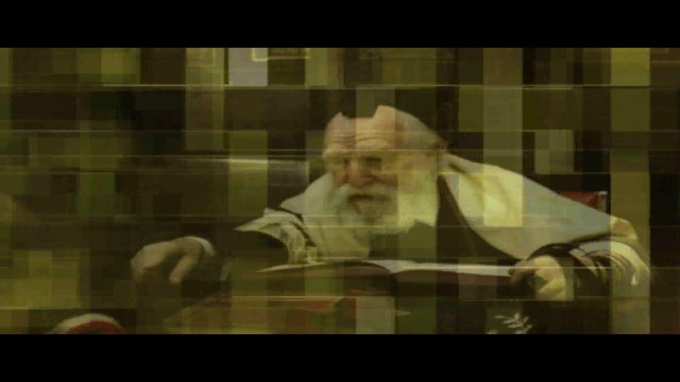
The Wisdom of Rabbi Moshe Feinstein Blessed Name of Hashem
The Wisdom of Rabbi Moshe Feinstein (4) - Vayechi


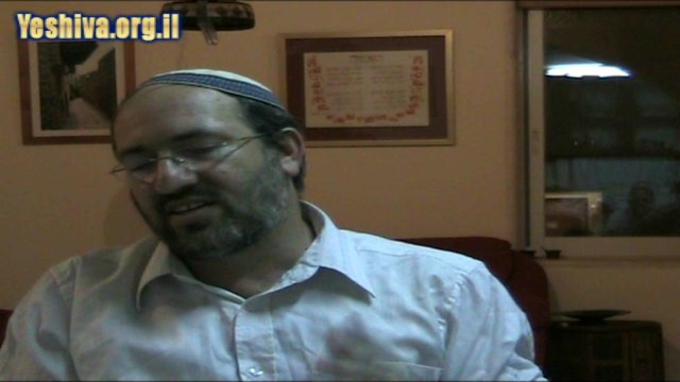




Rabbis in Midrash























Lessons
fast navigation











Various Events FOR WHOM NOT TO VOTE
Rav Zvi Yehuda Kook stressed that Israeli politics is G-dly, so I have no problem answering this common question on a Torani blog. Also, Free-Will is a G-d-given right and obligation, to "destine one's fate" (R. Soloveichik, Kol Dodi Dofek, 67), so I obviously don't tell others how to vote. But once not a few (especially young) have already asked, a couple of personal words from experience and thoughts from chazal & Rav Kook which may be of help to others, mainly for whom NOT to vote.

P'ninat Mishpat Fallout from Failure to Install Elevator – part II
based on ruling 85007 of the Eretz Hemdah-Gazit Rabbinical Courts









