Yeshiva
Beit Midrash
- Torah Portion and Tanach
- Shmot
- Shmot

Translated by Hillel Fendel
As we begin the Book of Exodus in our public Torah readings this coming Shabbat, the Torah tells us that Pharaoh wished to destroy the Jewish Nation even in the maternity wards. He instructed the Jewish midwives, Shifra and Puah, to kill all Jewish male babies, and to allow only the girls to live. However, the Torah tells us, "The midwives feared G-d, and did not do what Pharaoh had told them, and rather let the babies live" (Ex. 1,16).
The Midrash asks: "Is it not obvious, if they did not listen to Pharaoh, that they allowed the babies to live? Why must the Torah specify this?" The Midrash answers that the verse offers praise-within-praise to Shifra and Puah:
Not only did they not listen to Pharaoh, they also actively sought ways to have the children live. For instance, if the mother was poor, they would go and bring water and food from the wealthier ones, and the like. In addition, some of the babies would normally have been born blind or otherwise deformed, and the midwives would pray to G-d for the babies' health and that of their mother.
The late saintly Rabbi Chaim Pinchas Sheinberg, Mashgiach in Chafetz Chaim in New York and Rosh Yeshivat Ohr Torah in Jerusalem, once elaborated on this Mdrash in an address to women in Matersdorf, Jerusalem. He said [slightly paraphrased]:
"We read here of the terrible suffering of the Jewish People in Egypt, and how King Pharaoh commanded the Jewish midwives to kill the male babies. But we know that not only did they not listen to him, they also helped and encouraged the mothers. Before every birth, they prayed to G-d that the baby and its mother should be healthy, and that even those who had been decreed for death during birth should survive. 'Please have compassion on them,' they prayed – and G-d answered their prayers: All the babies were born healthy, and no mothers died during childbirth.
"Furthermore, if the midwives saw that the family was lacking food or clothing, they would go to wealthier families and ask them to supply food – and at the same time, they would encourage the mothers with words of love and reassurance. These two women were called Shifra and Puah, and Rashi explains why: 'Shifra – because she would 'improve' [from the same root as Shifra, sh.f.r.] the babies by washing them; and Puah – because she would sing them lullabies, with calming sounds like pu-pu-pu, and thus help them fall asleep.'
"We thus see that, according to the Torah, the greatness of these two women was that they dedicated themselves to missions that seemed to be simple and trivial: washing babies and singing to them. But we know that these great women were actually the saintly Yocheved and Miriam - mother and sister, respectively, of Moshe Rabbeinu and Aharon HaCohen! The fact that they served as midwives is astonishing in itself; this was undoubtedly not their regular occupation. But they took on this job in order to save the Jewish Nation, even at great risk to themselves. Is this not curious? These great Jewish princesses were not named for the fact that they saved the babies and all of Israel, or encouraged the mothers, or brought them food, or any of their other great deeds. They were named, of all things, just for having washed and sung to the babies! These were the great acts of kindness for which the Torah chose to praise them!
"This is because the greatness of a woman is in the kindness that she does in her own home, in the daily chores that she carries out without any thanks and sometimes without even being noticed.
"What woman would not save all of Israel if given the chance? Who would not save a baby from death? Who would not want to be a Prophetess? What woman would even not want to give a lecture to 100 women who would all then go home and enthuse about the important things she taught them? But to sing a lullaby to a baby – that doesn't seem to be as tempting. Many women are liable to think that there are many more important things to do, and that the baby can just cry himself to sleep… But this is precisely the Torah's message for all of you: You cannot imagine the great importance of taking loving care of your babies! These "small" acts you do for your baby – are not at all small! The greatness of an individual is the ability to identify the importance of seemingly small things – and this was the greatness of Yocheved and Miriam, as reflected in the names the Torah gave them.
"Be happy and full of thanks for being able to fulfill the role that the Torah so greatly praises. With every act of yours, you are building the Jewish nation. May you all be blessed with success and satisfaction."
Upon delving into these matters more deeply, we can see how G-d so wondrously rewarded Yocheved measure-for-measure for how she treated the Jewish babies in Egypt. As the Mishna teaches: "With the measure that a person measures, he himself is measured" (Sotah 1,7). In recognition for those acts of Yocheved that were publicly known, she was publicly rewarded – and for the private, concealed acts of kindness, she was rewarded "in private."
Specifically, she publicly saved the baby boys of Israel with great self-sacrifice, as the Torah attests: "They feared G-d, and did not do as King Pharaoh had told them – but rather allowed the baby boys to live." In return, she merited a well-known miracle when she once again became a young woman, giving birth to Moshe at the age of 130! (See Ex. 2,1-2, and Rashi there.) Her son Moshe also merited a very famous miracle when he was saved from the Sea of Reeds by Pharaoh's daughter at the age of three months (ibid. 2,5-6).
On the other hand, Yocheved also took care of the babies with great dedication, far from the eyes of onlookers, by lovingly washing them, and more (ibid. 1,15, and Rashi). For this, she merited a great miracle that was not known to all, in that her baby son was restored to her hands and she was able to nurse and raise him herself…
I heard from my teacher and rabbi, the late saintly Rav Shmuel Sheinberg (younger brother of the above-quoted Rav Chaim Pinchas), that a famous Yiddish maxim has it that "a woman is not a mother for having given birth to the child, but for having raised the child." Yocheved merited both – and this was because of the great acts of motherhood that she did for all those children of Israel that she delivered in Egypt.
This story gives a small peak at, and reveals a bit of, the greatness and true valor of the Jewish Mother – expressed most of all in all those "small" daily tasks that comprise the way she raises her children with love and dedication.
As we begin the Book of Exodus in our public Torah readings this coming Shabbat, the Torah tells us that Pharaoh wished to destroy the Jewish Nation even in the maternity wards. He instructed the Jewish midwives, Shifra and Puah, to kill all Jewish male babies, and to allow only the girls to live. However, the Torah tells us, "The midwives feared G-d, and did not do what Pharaoh had told them, and rather let the babies live" (Ex. 1,16).
The Midrash asks: "Is it not obvious, if they did not listen to Pharaoh, that they allowed the babies to live? Why must the Torah specify this?" The Midrash answers that the verse offers praise-within-praise to Shifra and Puah:
Not only did they not listen to Pharaoh, they also actively sought ways to have the children live. For instance, if the mother was poor, they would go and bring water and food from the wealthier ones, and the like. In addition, some of the babies would normally have been born blind or otherwise deformed, and the midwives would pray to G-d for the babies' health and that of their mother.
The late saintly Rabbi Chaim Pinchas Sheinberg, Mashgiach in Chafetz Chaim in New York and Rosh Yeshivat Ohr Torah in Jerusalem, once elaborated on this Mdrash in an address to women in Matersdorf, Jerusalem. He said [slightly paraphrased]:
"We read here of the terrible suffering of the Jewish People in Egypt, and how King Pharaoh commanded the Jewish midwives to kill the male babies. But we know that not only did they not listen to him, they also helped and encouraged the mothers. Before every birth, they prayed to G-d that the baby and its mother should be healthy, and that even those who had been decreed for death during birth should survive. 'Please have compassion on them,' they prayed – and G-d answered their prayers: All the babies were born healthy, and no mothers died during childbirth.
"Furthermore, if the midwives saw that the family was lacking food or clothing, they would go to wealthier families and ask them to supply food – and at the same time, they would encourage the mothers with words of love and reassurance. These two women were called Shifra and Puah, and Rashi explains why: 'Shifra – because she would 'improve' [from the same root as Shifra, sh.f.r.] the babies by washing them; and Puah – because she would sing them lullabies, with calming sounds like pu-pu-pu, and thus help them fall asleep.'
"We thus see that, according to the Torah, the greatness of these two women was that they dedicated themselves to missions that seemed to be simple and trivial: washing babies and singing to them. But we know that these great women were actually the saintly Yocheved and Miriam - mother and sister, respectively, of Moshe Rabbeinu and Aharon HaCohen! The fact that they served as midwives is astonishing in itself; this was undoubtedly not their regular occupation. But they took on this job in order to save the Jewish Nation, even at great risk to themselves. Is this not curious? These great Jewish princesses were not named for the fact that they saved the babies and all of Israel, or encouraged the mothers, or brought them food, or any of their other great deeds. They were named, of all things, just for having washed and sung to the babies! These were the great acts of kindness for which the Torah chose to praise them!
"This is because the greatness of a woman is in the kindness that she does in her own home, in the daily chores that she carries out without any thanks and sometimes without even being noticed.
"What woman would not save all of Israel if given the chance? Who would not save a baby from death? Who would not want to be a Prophetess? What woman would even not want to give a lecture to 100 women who would all then go home and enthuse about the important things she taught them? But to sing a lullaby to a baby – that doesn't seem to be as tempting. Many women are liable to think that there are many more important things to do, and that the baby can just cry himself to sleep… But this is precisely the Torah's message for all of you: You cannot imagine the great importance of taking loving care of your babies! These "small" acts you do for your baby – are not at all small! The greatness of an individual is the ability to identify the importance of seemingly small things – and this was the greatness of Yocheved and Miriam, as reflected in the names the Torah gave them.
"Be happy and full of thanks for being able to fulfill the role that the Torah so greatly praises. With every act of yours, you are building the Jewish nation. May you all be blessed with success and satisfaction."
Upon delving into these matters more deeply, we can see how G-d so wondrously rewarded Yocheved measure-for-measure for how she treated the Jewish babies in Egypt. As the Mishna teaches: "With the measure that a person measures, he himself is measured" (Sotah 1,7). In recognition for those acts of Yocheved that were publicly known, she was publicly rewarded – and for the private, concealed acts of kindness, she was rewarded "in private."
Specifically, she publicly saved the baby boys of Israel with great self-sacrifice, as the Torah attests: "They feared G-d, and did not do as King Pharaoh had told them – but rather allowed the baby boys to live." In return, she merited a well-known miracle when she once again became a young woman, giving birth to Moshe at the age of 130! (See Ex. 2,1-2, and Rashi there.) Her son Moshe also merited a very famous miracle when he was saved from the Sea of Reeds by Pharaoh's daughter at the age of three months (ibid. 2,5-6).
On the other hand, Yocheved also took care of the babies with great dedication, far from the eyes of onlookers, by lovingly washing them, and more (ibid. 1,15, and Rashi). For this, she merited a great miracle that was not known to all, in that her baby son was restored to her hands and she was able to nurse and raise him herself…
I heard from my teacher and rabbi, the late saintly Rav Shmuel Sheinberg (younger brother of the above-quoted Rav Chaim Pinchas), that a famous Yiddish maxim has it that "a woman is not a mother for having given birth to the child, but for having raised the child." Yocheved merited both – and this was because of the great acts of motherhood that she did for all those children of Israel that she delivered in Egypt.
This story gives a small peak at, and reveals a bit of, the greatness and true valor of the Jewish Mother – expressed most of all in all those "small" daily tasks that comprise the way she raises her children with love and dedication.
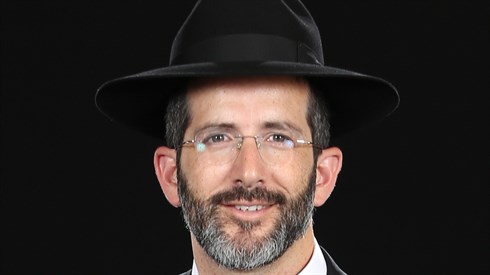








Rabbis in Midrash























Lessons
fast navigation











Hosha'ana Rabba FLYDUBAI & HOSHANA RABBA- ANI VAHU HOSHIA NA- I & HIM SAVE US
"Ani vaHu Hoshia Na", "I and Him, Save Us". We don't just pray to Him, but we also pray to and for ourselves that we should emulate and educate our children to have that instinctive altruism with which He created the world. President Trump seemed amused about Yaniv Hayon, our PLUMBER who confidently worked with G-d like Superman (he learned from a pilot on a TV show!) to save 174 lives on the Dubai hijacking, but we in Israel are totally accustomed already 78 years to our plumbers, teachers, garbage-men, rabbis, farmers & doctors being Hashem's shlichim! This is what Zionism is about.











