Yeshiva
Beit Midrash
- Shabbat and Holidays
- Purim & The Month of Adar
- The Laws of Purim
- Sections
- Peninei Halakha

The events of Purim were so momentous that the Sages stated that Israel accepted the Torah anew at the time of Aĥashverosh. In a certain sense, their renewed commitment at that time was greater than their original acceptance of the Torah on Mount Sinai. When the Torah was first given, Israel was forced to accept it, as it says, "They took their places at the foot of the mountain" (Shemot 19:17). The Sages comment (Shabbat 88a):
This teaches that the Holy One, blessed be He, overturned the mountain upon them like a cask, and said to them, "If you accept the Torah – good; if not – here shall be your burial." R. Aĥa b. Yaakov said, "This furnishes a strong protest against the Torah" (since they accepted the Torah under duress, they are not obligated to uphold it). Rava said, "Even so, they re-accepted it at the time of Aĥashverosh, as it says, ‘The Jews upheld and accepted upon themselves" (Esther 9:27) – that is, they confirmed what they had accepted long before."
Many commentators explain that God "overturned the mountain upon them like a cask" in a symbolic, spiritual sense. After all the great miracles of the Exodus from Egypt, the splitting of the sea, and the awesome revelations at Mount Sinai, it was impossible for the Jews not to accept the Torah. However, the question still remained: Would the Jews stay connected to God and His Torah even afterward, when they become detached from those miracles and wonders? Indeed, there were ups and downs, until the events of Purim took place. That is when it became clear that the people of Israel’s connection to their faith and to the Torah were absolute. The terrible decree made it clear that the price of belief might be unbearable, but the Jews still chose to adhere to their faith, repent, and pray to God, without any coercion. Not only did they return to observe the 613 mitzvot, they even instituted additional mitzvot after they were saved: the mitzvot of Purim.
Thus, we were privileged to build the Second Temple, and a door was opened for the advancement of the study of the Oral Torah, which was the main spiritual enterprise of the Second Temple era.
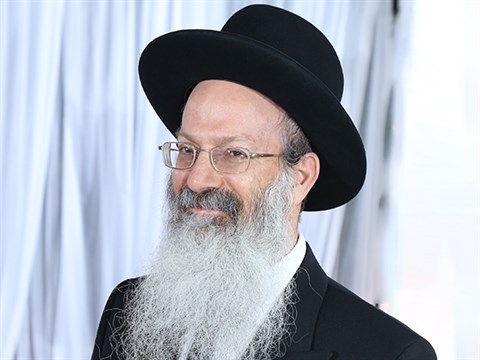
Rabbi Eliezer Melamed
Rosh Yeshiva of Har Bracha and rabbi of the settlement.

Peninei Halakha 18. Torah Verses in the Prayers and in the Berakha of She-asa Li Kol Tzorki
Chapter 10: The Laws of Tisha Be-Av
The Laws of Purim 14. Can a Drunk or Tipsy Person Recite Berakhot and Pray Ma’ariv?
Chapter 16: The Mitzvot of Joy and Kindness
The Laws of Purim 13. Taking Revenge on Haman and His Ten Sons
Chapter 15: Purim and Reading the Megilla






Rabbis in Midrash






















Lessons
fast navigation











Hosha'ana Rabba FLYDUBAI & HOSHANA RABBA- ANI VAHU HOSHIA NA- I & HIM SAVE US
"Ani vaHu Hoshia Na", "I and Him, Save Us". We don't just pray to Him, but we also pray to and for ourselves that we should emulate and educate our children to have that instinctive altruism with which He created the world. President Trump seemed amused about Yaniv Hayon, our PLUMBER who confidently worked with G-d like Superman (he learned from a pilot on a TV show!) to save 174 lives on the Dubai hijacking, but we in Israel are totally accustomed already 78 years to our plumbers, teachers, garbage-men, rabbis, farmers & doctors being Hashem's shlichim! This is what Zionism is about.











