Yeshiva
Beit Midrash
- Shabbat and Holidays
- Jewish Holidays
- Rosh Chodesh
- Sections
- Peninei Halakha

Rosh Ĥodesh is a time of atonement, as we recite in the Musaf prayer, "a time of atonement for all their offspring." In addition, in the time of the Temple, a male goat would be brought as a sin offering.
In order to make this atonement complete, pious Jews customarily repent in for the time leading up to Rosh Ĥodesh. Some people fast on the day before Rosh Ĥodesh and recite special Yom Kippur Katan prayers prior to the Minĥa service. The day before Rosh Ĥodesh is called Yom Kippur Katan ("the minor Yom Kippur") because it is a time to atone for the sins of the previous month, just as Yom Kippur is a time to atone for the sins of the previous year (see mb 417:4, Kaf Ha-ĥayim 417:10-21). Nowadays, few people follow the custom of fasting; instead of fasting, one can study more Torah and give extra charity.
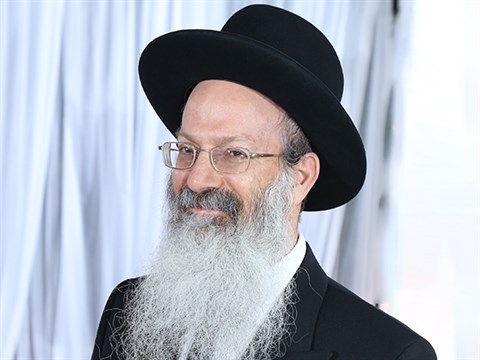
Rabbi Eliezer Melamed

Peninei Halakha 18. Torah Verses in the Prayers and in the Berakha of She-asa Li Kol Tzorki
Chapter 10: The Laws of Tisha Be-Av






Rabbis in Midrash

































Various Events FOR WHOM NOT TO VOTE
Rav Zvi Yehuda Kook stressed that Israeli politics is G-dly, so I have no problem answering this common question on a Torani blog. Also, Free-Will is a G-d-given right and obligation, to "destine one's fate" (R. Soloveichik, Kol Dodi Dofek, 67), so I obviously don't tell others how to vote. But once not a few (especially young) have already asked, a couple of personal words from experience and thoughts from chazal & Rav Kook which may be of help to others, mainly for whom NOT to vote.

P'ninat Mishpat Fallout from Failure to Install Elevator – part II
based on ruling 85007 of the Eretz Hemdah-Gazit Rabbinical Courts







