Yeshiva
Beit Midrash
- Shabbat and Holidays
- The High Holidays
- The Month of Elul

Answer: The Midrash says that "Ori" refers to Rosh Hashana & "Yishi" refers to Yom Kippur. The source for saying L’David stems from different Kabbalistic sources who say that this Mizmor in Tehilim has great spiritual value & saying it can annul bad decrees which descend from Heaven. Since no strictly defined times are set, each community chooses its own minhag. Some suggest saying it 3 times a day - after Shachrit, Mincha & Maariv - not only during the month of Elul, but also the rest of the year. Ashkenazim say it day & evening, nusach S'fard morning & afternoon. Among Edot Mizrach, there are those who say L'David after Shacharit all year long, & before Ma'ariv during the month of Elul. The Vilna Gaon’s minhag is to refrain from saying it. As it mentions G-d sheltering us in His Sukka, we continue saying it until after Hoshana Raba.
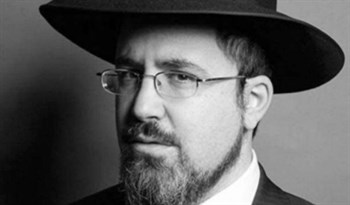
Rabbi Stewart Weiss
Was ordained at the Hebrew Theological College in Skokie, Illinois, and led congregations in Chicago and Dallas prior to making Aliyah in 1992. He directs the Jewish Outreach Center in Ra'anana, helping to facilitate the spiritual absorption of new olim.
Jewish Laws and Thoughts Shul “etiquette:” can we honor Hashem while respecting our fellow congregants?



Rabbis in Midrash























Lessons
fast navigation






Various Events FOR WHOM NOT TO VOTE
Rav Zvi Yehuda Kook stressed that Israeli politics is G-dly, so I have no problem answering this common question on a Torani blog. Also, Free-Will is a G-d-given right and obligation, to "destine one's fate" (R. Soloveichik, Kol Dodi Dofek, 67), so I obviously don't tell others how to vote. But once not a few (especially young) have already asked, a couple of personal words from experience and thoughts from chazal & Rav Kook which may be of help to others, mainly for whom NOT to vote.

P'ninat Mishpat Fallout from Failure to Install Elevator – part II
based on ruling 85007 of the Eretz Hemdah-Gazit Rabbinical Courts