Yeshiva
Beit Midrash
- Torah Portion and Tanach
- Bamidbar
- Shlach Lecha

The Torah study is dedicatedto the full recovery of
Pnina bat Miryam
The S’fat Emmet (5645) beautifully explains an important, Chassidic approach to this matter. At creation Hashem put Torah light into the physical creation. He intended for mankind, especially through the chosen nation who accepted the Torah, to uncover this light that was in the land. Thereby, they would fix that which had been "lost" at creation. Bnei Yisrael became accustomed subsisting in a desert, a non-land land, where working the land to survive and uncover the light of Torah was unnecessary. Hashem provided all their needs, both physical and spiritual, directly. The spies taught the people that it was undesirable to lower one’s spiritual level by having to search for sanctity through physically working the land, even Eretz Yisrael. This was the despising of the Land, by preferring the "desert lifestyle."
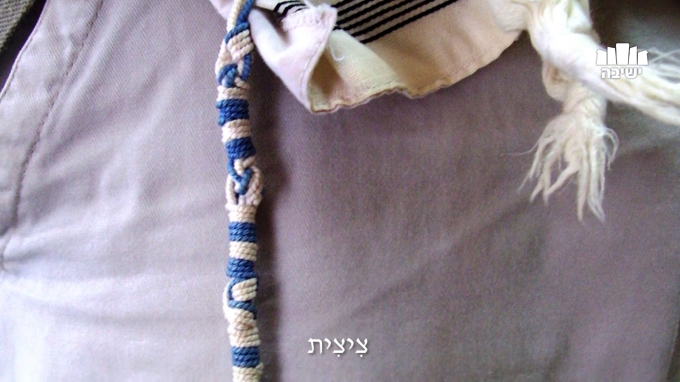
The S’fat Emmet also explains the significance of the three mitzvot that Bnei Yisrael received in the aftermath of this sin. They were: taking challah from the bread, bringing libations on the altar, and attaching tzitzit to one’s garments. These were a consolation for the three gifts that Bnei Yisrael dreaded losing from the days in the desert: the manna bread, the well, and the clouds of glory that enveloped them. Hashem showed them that they could have a connection to Hashem through their bread, by taking challah. They could see Hashem’s Hand in regard to liquids, by pouring them on the altar. They could feel enveloped by Hashem’s presence, by attaching tzitzit to their garments.
The idea of life in Eretz Yisrael, as seen both through the sin of the spies and of the mitzvot given subsequently, is as follows. While it is necessary to start life, national or personal, by being spoon-fed spirituality, we must reach a point where we find it actively. We earn our bread and raise it up in gift to Hashem. We dig wells and produce olive oil and pour them on the altar. We clothe ourselves and use the clothes as a reminder of Hashem’s connection to and expectations of us. We do all of this, preferably or exclusively (depending on the mitzva) in Eretz Yisrael.
Interestingly, the three mitzvot described involve different elements of society. Women take challah; men wear tzitzit. Kohanim pour libations. Everyone has a special connection with Hashem, through the mitzvot that most closely impact his or her life. When we form one cohesive, national group, the spiritual attainments of the whole are jointly elevated by the individual accomplishments of its parts.






Rabbis in Midrash























Lessons
fast navigation











Hosha'ana Rabba FLYDUBAI & HOSHANA RABBA- ANI VAHU HOSHIA NA- I & HIM SAVE US
"Ani vaHu Hoshia Na", "I and Him, Save Us". We don't just pray to Him, but we also pray to and for ourselves that we should emulate and educate our children to have that instinctive altruism with which He created the world. President Trump seemed amused about Yaniv Hayon, our PLUMBER who confidently worked with G-d like Superman (he learned from a pilot on a TV show!) to save 174 lives on the Dubai hijacking, but we in Israel are totally accustomed already 78 years to our plumbers, teachers, garbage-men, rabbis, farmers & doctors being Hashem's shlichim! This is what Zionism is about.
Moreshet Shaul Hashem Is your Shadow – part I
Based on Siach Shaul, Pirkei Machshava V’Hadracha p. 420 – an address from 1941










