YeshivaThe torah world Gateway
Beit Midrash
- Torah Portion and Tanach
- Shmot
- Bo

The Torah study is dedicatedin the memory of
Simha bat Hana
Not only is there a mitzva to eat the Korban Pesach but there are also many halachot of how to eat it. It must be roasted, must not be underdone, must be eaten in one night, and one must not break its bones. The Sefer Hachinuch explains that all of these halachot enable the eating to resemble that of noblemen. Apparently, the Korban Pesach is not just to thank Hashem for saving us (although that is a major part of it). Rather, we are supposed to celebrate in style. But why should we celebrate specifically within the context of a korban?
Before answering, let us see a fascinating passage in the Ohr Hachayim. The Korban Pesach should be eaten along with matza and maror (bitter herbs) (Shemot 12:8). The simple explanation is that even when focused on that which the Korban Pesach represents, we should not forget the hard work that maror represents or the concepts behind matza. However, the Ohr Hachayim (ad loc.) explains that the matza and maror improve the Korban Pesach’s taste. Is good taste the extent of the significance of matza and maror in this context? Actually, the Ohr Hachayim explains that something very deep lies behind the surface of the improved taste.
The Ohr Hachyim says that the Korban Pesach represents the essence of geula (liberation), maror represents the exile, and the matza represents the speed with which the geula was carried out. Just as the physical matza and maror make the Korban Pesach taste better, so too did the speed of the liberation and even the fact that it was preceded by exile give the geula more significance. He explains that Bnei Yisrael wouldn’t have reached the level they did had without the exile that preceded the geula.
Returning to the matter of celebratory eating, let us realize the following. The more we use physical celebration to appreciate our freedom and our status of nobility, the more we can grasp the magnitude of that which Hashem did for our nation when he liberated us from Egyptian bondage with miracles and signs. Let us always appreciate and thank Hashem for the good He bestows upon us.


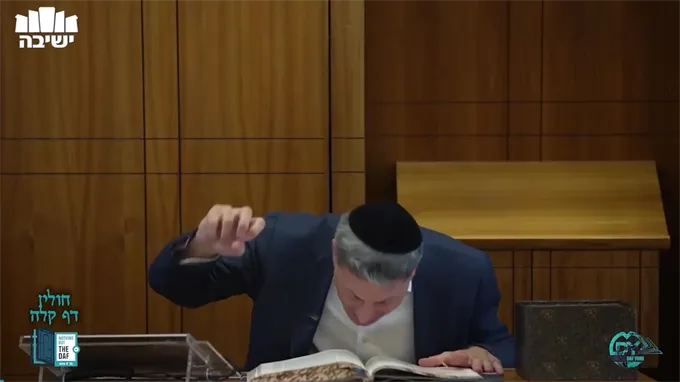
Rabbis in Midrash
















Lessons
fast navigation











Israel and the Nations A Few Minutes & Many Innovative Ideas on Antisemitism & What to do About It
As we approach the High Holidays, this short lecture (18 minutes) deals with the unfortunate situation of how Israel and the Jewish People stand against antisemitism, analyzing its cause according to Rav Kook, and how to deal with the issue pragmatically & via our prayers.
Ha'azinu PURSUIT is PERFECTION
p. Ha'azinu, Shabbat Shuva
Rav Kook deals with the question of the seemingly hopeless nature of Tshuva. For G-d Himself knows that He created us with free will, which inevitably means we will sometimes make mistakes and choose wrong. This can easily be frustrating, freezing us into inaction and ye'ush (loss of hope). If one sins even once, does he chalila have no choice but suicide?! Moreover, our Godly conscience demands justice, righteousness and perfection, but we all know this is impossible, so what's the solution? Rav Kook's innovative thinking, strongly based on chazal (our sages), offers an inciteful and important aspect to this topic, especially this time of year!

Sukkot Bug-Free Sukkah: Essential Halachic and Practical Schach Guide
How to inspect, clean, and store bamboo mats and palm branches to protect your mitzvah and holiday meals.