Yeshiva
Beit Midrash
- Torah Portion and Tanach
- Vayikra
- Vayikra

We are taught: "…that there is no righteous person who lives on this earth without sin." It is one of the weaknesses that we inherited from Adam and Eve and therefore is part of the DNA of human existence. In recognizing this fact, the Torah, as is its usual wont, deals with the reality of human existence and not with an imagined perfection of human behavior that has never existed in human history and will never exist.
Unlike other monotheistic faiths, Judaism does not allow for pie-in-the-sky, super angelic portrayals of human life. As King Solomon states: "What was is what will be, and there is really nothing new as far as human behavior is concerned under the sun." So the Torah in this week's parsha takes it as a given that people will sin… and do so pretty regularly. Therefore an antidote to sin must be created so that people will eventually improve and find forgiveness for their sins from a benevolent Creator.
I think that the entire Temple service as described for us in the book of Vayikra is meant to emphasize to human beings our innate weakness and to the omnipresence of sin in our lives. Knowing that we have sinned is the beginning of redemption and holiness.
I believe that this is part of the great message of Yom Kippur and why this holy day retains its vibrancy and relevance even to Jews who are otherwise far distant from Torah observance and meaningful Jewish life. Deep down within us we are all aware that as human beings, not only are we prone to sin but, again in the words of the Torah: "Sin crouches at our doorstep."
The Temple building itself, the priesthood and the Temple service of animal sacrifices, all combine to make the realization of sin a constant factor in Jewish life. In order for this to be effective, the Jewish people had to be aware of what lay behind the edifice, pomp, ritual, meat and wine that was generated by the Temple and its services.
It is this point that the prophets of Israel stress in their condemnation of the shallowness of understanding regarding the Temple service that so characterized the kingdom of Judah in First Temple times. Being unaware of the underlying message regarding the constant vulnerability to sin and the necessity to counteract it, and merely concentrating on the antidote of forgiveness, which the Temple represented, was shortsighted and eventually led to the disappearance of the Temple itself. The Torah wanted us to attempt to eradicate the source of pain and not merely become addicted to pain killers. I believe this to be the subtle message of this week's parsha and of the entire book of Vayikra.
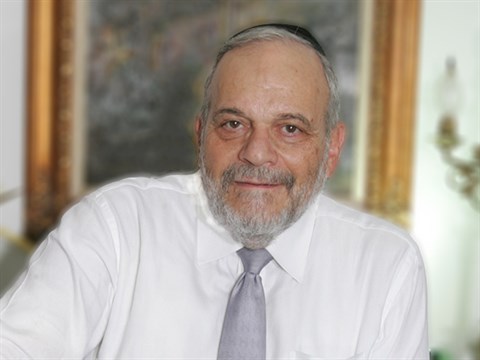







Rabbis in Midrash























Lessons
fast navigation











Various Events FOR WHOM NOT TO VOTE
Rav Zvi Yehuda Kook stressed that Israeli politics is G-dly, so I have no problem answering this common question on a Torani blog. Also, Free-Will is a G-d-given right and obligation, to "destine one's fate" (R. Soloveichik, Kol Dodi Dofek, 67), so I obviously don't tell others how to vote. But once not a few (especially young) have already asked, a couple of personal words from experience and thoughts from chazal & Rav Kook which may be of help to others, mainly for whom NOT to vote.

P'ninat Mishpat Fallout from Failure to Install Elevator – part II
based on ruling 85007 of the Eretz Hemdah-Gazit Rabbinical Courts







